5 – 9Oct
EventInternational Astronautical Congress
Antalya

GlobeRanger keeps a true record of flight hardware, tooling and limited-life items across cleanrooms, integration halls and test sites, including the conditions each was held in. It keeps working where there is no network.
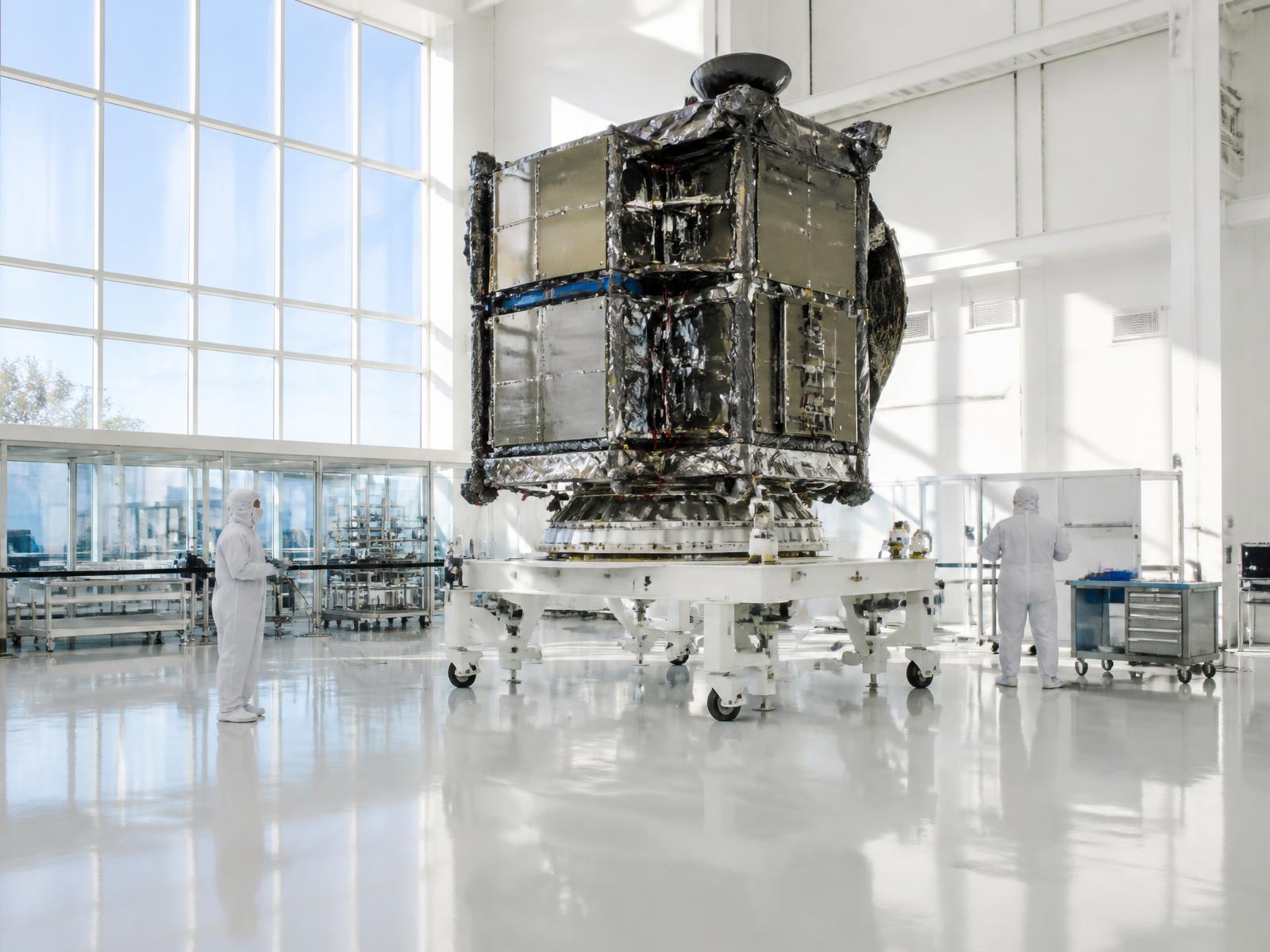
A space programme runs on items that each carry their own history:
Most of that history is kept by hand, in travellers, in spreadsheets and in the memory of the people who did the work. A part whose storage history cannot be evidenced gets requalified or scrapped, and both cost more than the part did.
GlobeRanger reads the tags on hardware, tooling and containers and keeps one record of where each item is and which conditions it has seen. An item leaving a controlled zone, or a limited-life part approaching its date, raises an exception.
It runs at the edge, so a cleanroom, a shielded test cell or a launch site with no coverage keeps a true record with no live connection, and writes into the systems you already run.
Trade fairs, deadlines and standards that matter for this industry.
Antalya
Munich, Germany
Bremen
Two operations that account for parts the way a space programme has to.
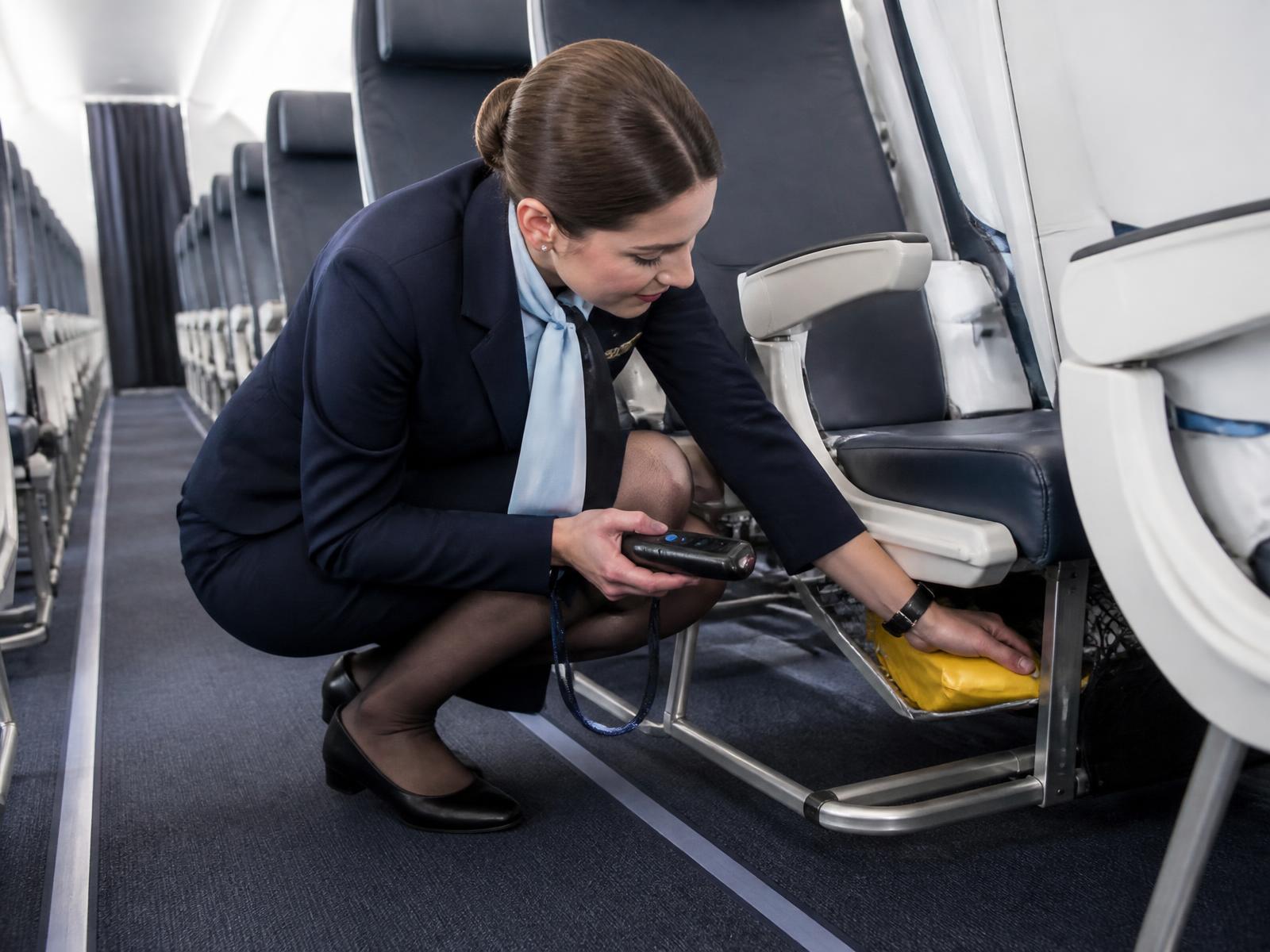
Airbus and Fujitsu built the Smart Emergency Equipment Manager on GlobeRanger. Cabin crew scan the tags already fitted in production and confirm in seconds that every item of safety equipment is present and sealed. An integration hall has the same problem at a lower unit count and a far higher cost per unit.
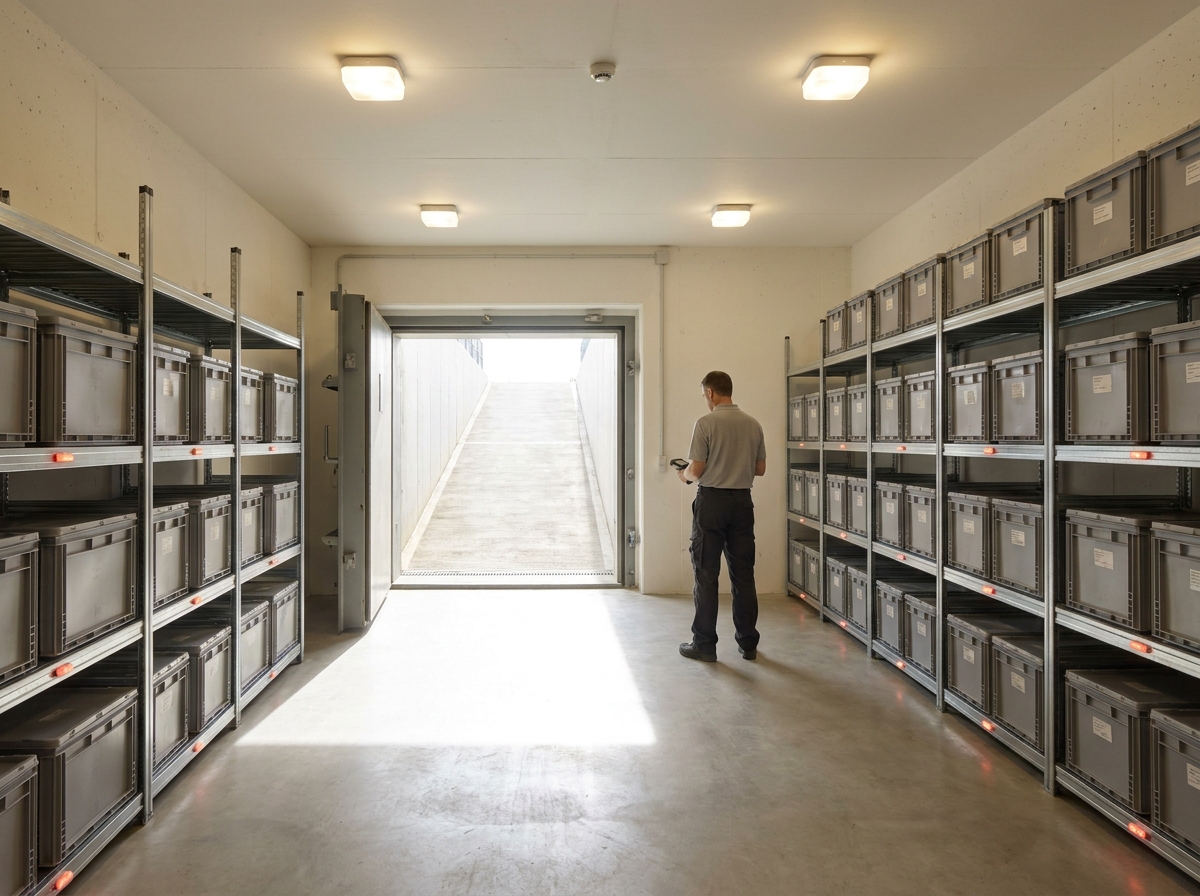
A German defence manufacturer stores ammunition and explosives in former bunkers, hazard classes 1.1 to 1.4. Each bunker has its own installation. Stock is confirmed by scanning, with no connection to the outside and without anyone counting by hand. A shielded test cell or a remote launch site is the same problem: the record has to hold where there is no connection at all.
The customer has asked not to be named.
No space programme runs GlobeRanger today. The first one will define what this product does in the industry, and that definition is made in the boot camp, on one real operation, rather than borrowed from another sector.
A video call with the GlobeRanger team. One question: does GlobeRanger fit your operation?
One to three days on site. We work out whether it starts with tooling, with limited-life items or with flight hardware, and what a pilot would cover.
A trial run on your own use case, on one cleanroom, one test site or one class of item. GlobeRanger proves that it works in your operation, not on a slide.
The rollout across cleanrooms, halls and test sites, scoped and priced on what boot camp and pilot made concrete.
Assembly, integration and test owns the problem. Product assurance joins early, because the evidence trail is theirs to defend, and export control joins by the second stage, because a record of who held what is also a record they have to produce.
The first step costs 13 minutes.