
GlobeRanger, a Fujitsu company
/

An audit does not accept that something should be here somewhere.

GlobeRanger keeps an accurate record of vehicles, equipment, and inventory across depots and facilities, with a custody trail that stands up to scrutiny. It keeps working even where there is no network.

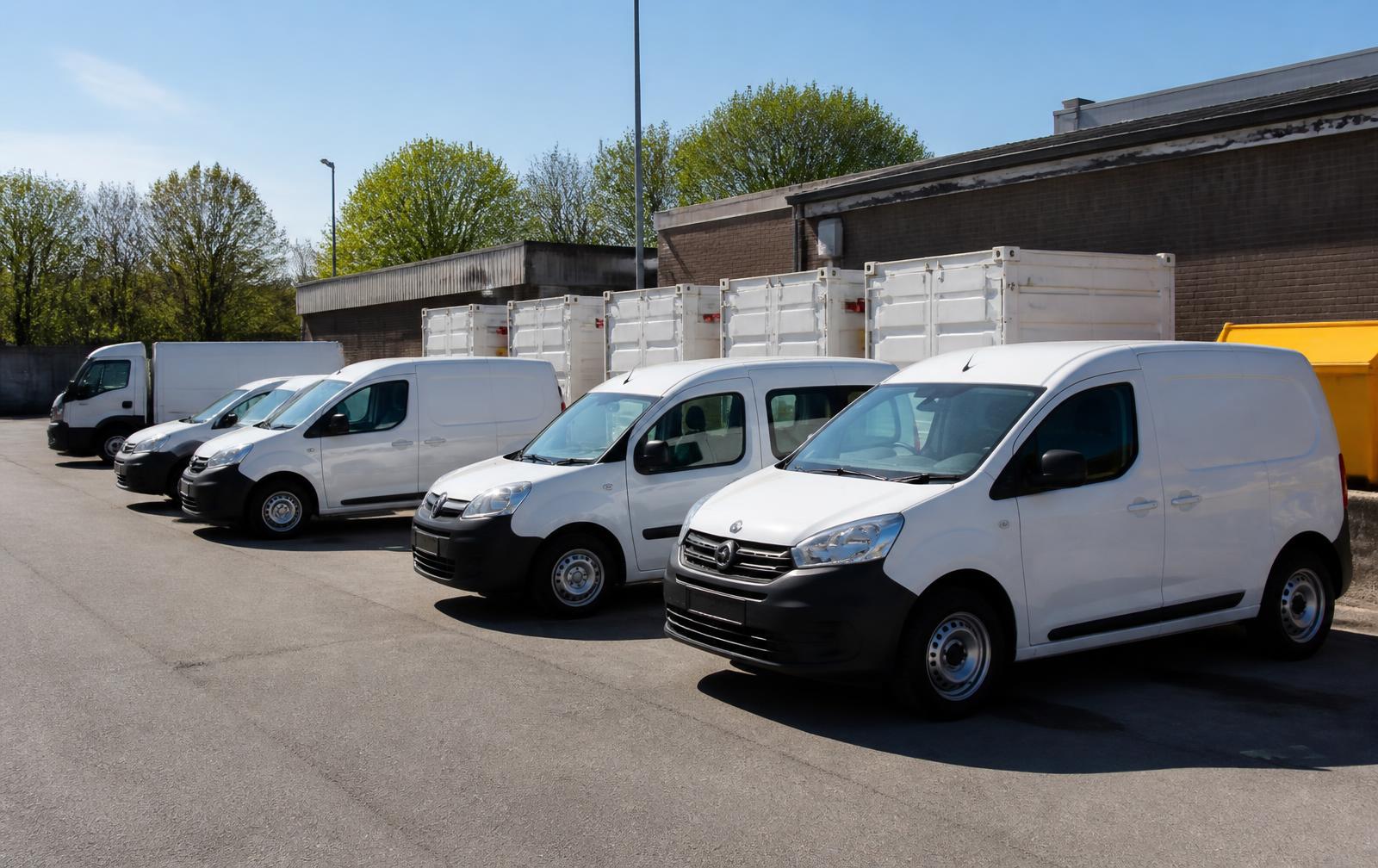
Municipal depot yard with a row of service vehicles and equipment containers in bright daylight

Public assets are counted by people who were not there when they moved.

A public authority holds assets that move constantly between people and places:

  • Vehicles, plant, and tools across depots and yards
  • Protective equipment, radios, and uniforms issued to staff
  • Stores and spare parts held against a budget rather than a forecast

When one cannot be found, the cost is rarely the item. It is the replacement bought because nobody could prove the original still existed, and the finding that follows in the next audit.

GlobeRanger reads the tags on that stock and maintains one record of where each item is, who holds it, and what condition it is in. Issue and return are linked to a person, providing an auditable custody history.

It runs at the edge, so tracking continues in depots and remote facilities without network coverage, and integrates with the systems you already use.

Worker recording stock on a clipboard in a storage aisle

Richardson Police Department: security equipment permanently accounted for.

Richardson Police Department in Texas manages a wide range of accountable equipment, including badges, uniforms, radios, weapons, and vehicles. These assets are issued to officers and must be tracked across shifts, handovers, and returns.

Accounting for it had been a manual process that took months of work. The force now tracks that equipment continuously, with each item bound to the officer who holds it.  

The department cited GlobeRanger’s track record in national defence as a key reason for choosing the system.

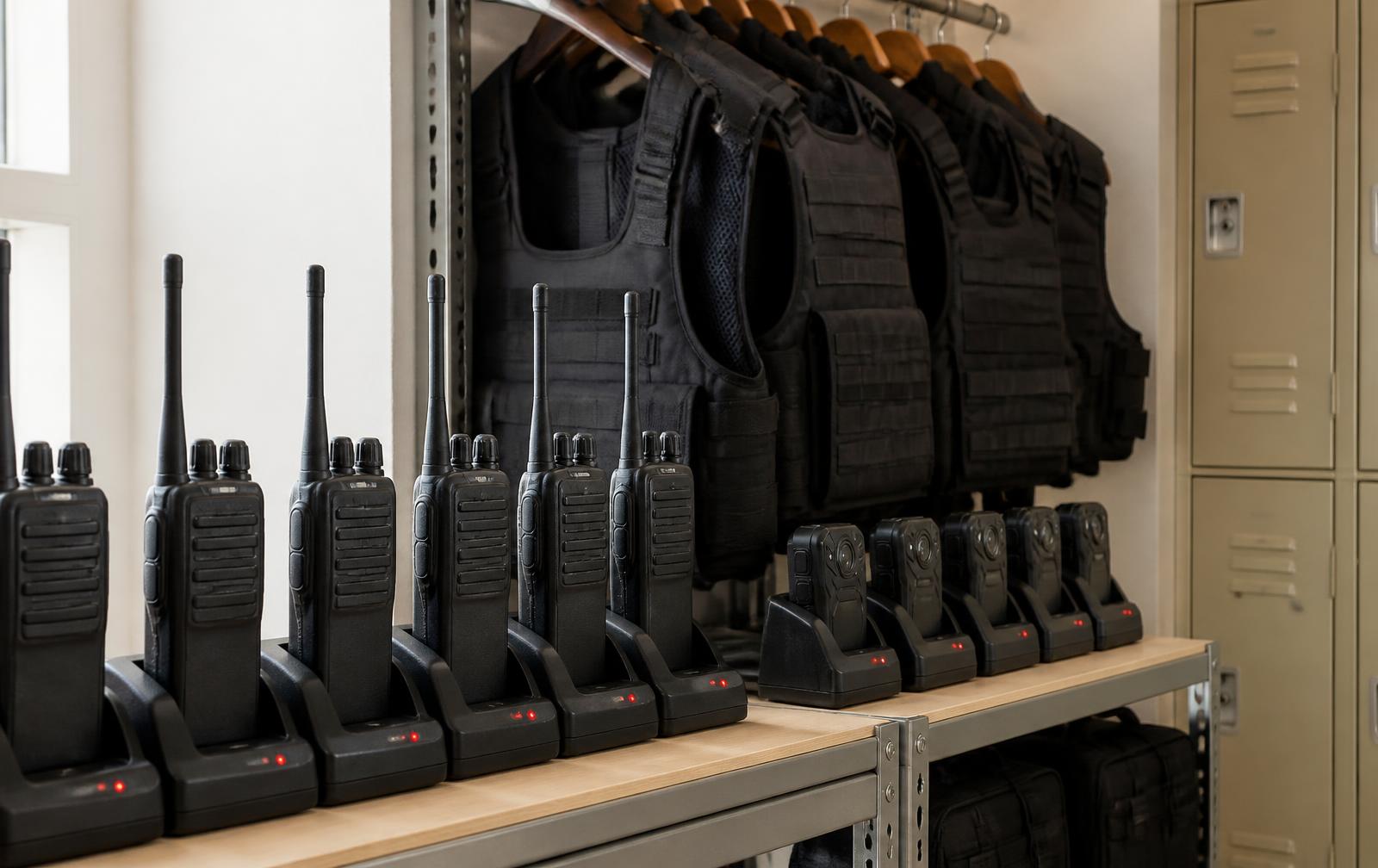
Charging rack in a police equipment room holding radios, body cameras and vests

For two decades GlobeRanger has been deployed across United States federal logistics, including the Defense Distribution Center network, the distribution arm of the Defense Logistics Agency, and the US Navy's Automatic Identification Technology programme.

The same capability, a different floor.

Two cases from other industries that solve the problem an authority knows well.

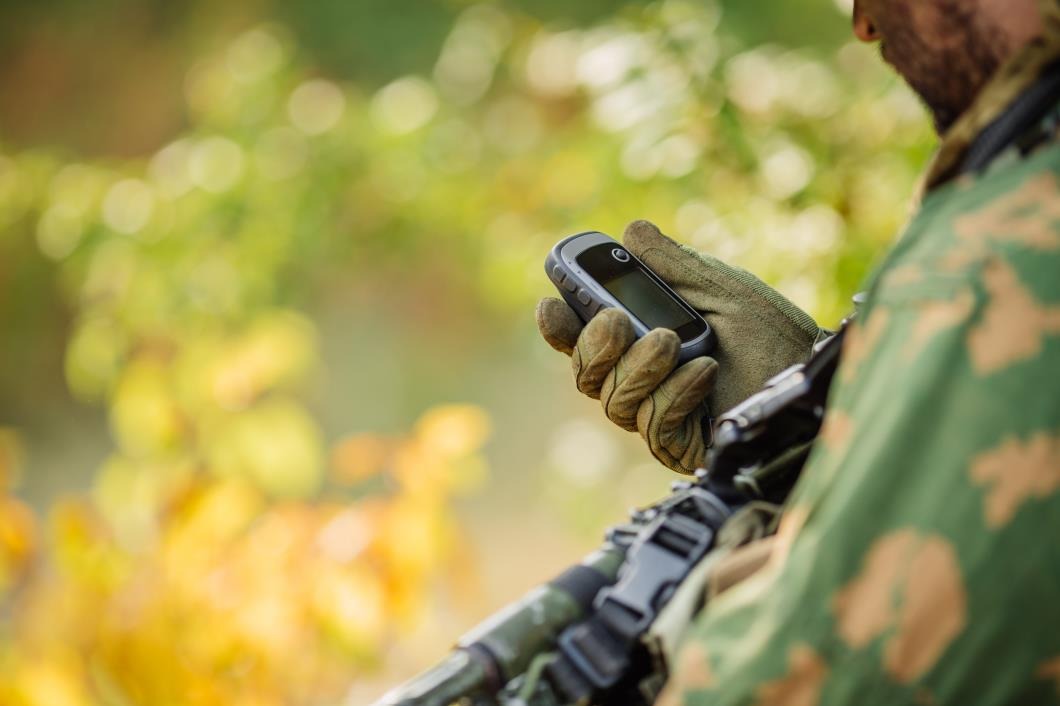
Soldier scanning equipment during an issue and return check
Defence

There is no network inside an ammunition bunker.

A German defence manufacturer stores ammunition and explosives in former bunkers, hazard classes 1.1 to 1.4. Each bunker has its own installation. Stock is confirmed by scanning, with no connection to the outside and without anyone counting by hand.

The customer has asked not to be named.
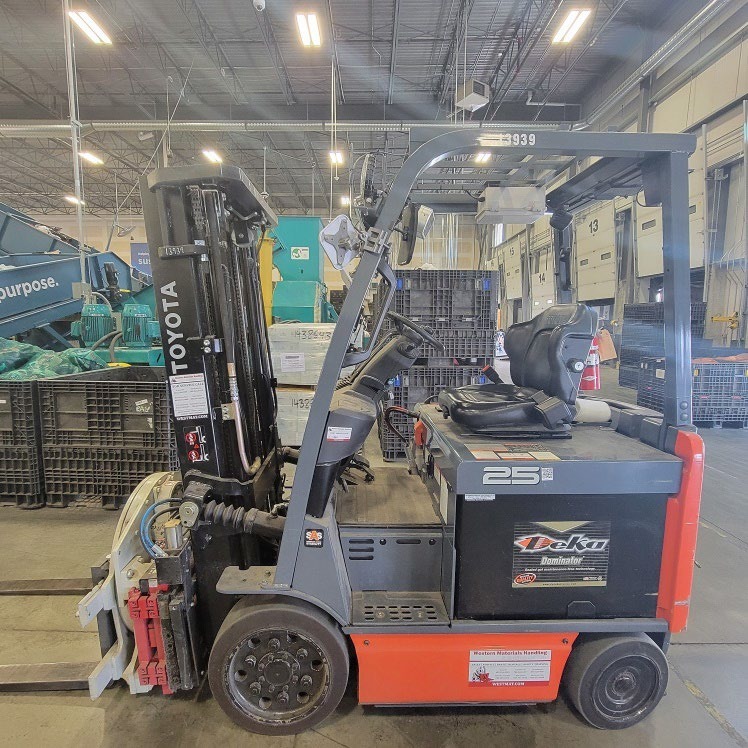
Forklift moving pallets in a distribution centre aisle
Intralogistics

Daisy Brand: readers that move with the fleet.

Daisy Brand put RFID readers on the forklifts across two distribution centres, so the vehicles that move the stock also record it. In a depot the same idea turns the service fleet into the reading layer, without fixed equipment at every gate.

How a public sector programme starts.

The four stages are the same everywhere. What differs here is that procurement sets the pace.

Demo call

13 or 26 minutes

A video call with the GlobeRanger team. One question: does GlobeRanger fit your operation?

Bootcamp

1 to 3 daysCredited

One to three days on site. We work out which assets carry the risk, whether it starts at one depot, one store, or one class of equipment, and what a pilot would cover.

Pilot

6 to 12 weeks

A trial run on your own use case, at one depot or one facility. GlobeRanger proves that it works in your operation, not on a slide.

Performance Mode

ongoing

The rollout across depots, facilities, or the whole authority, scoped and priced on what boot camp and pilot made concrete.

The first step costs 13 minutes.

Parcel being handed over between two people on site