

GlobeRanger, a Fujitsu company
/

The cheapest part on the line is the one that stops it.

GlobeRanger keeps an accurate record of tools, moulds, work in progress, and spare parts across the plant, including the condition of each item. It continues working even where there is no network.

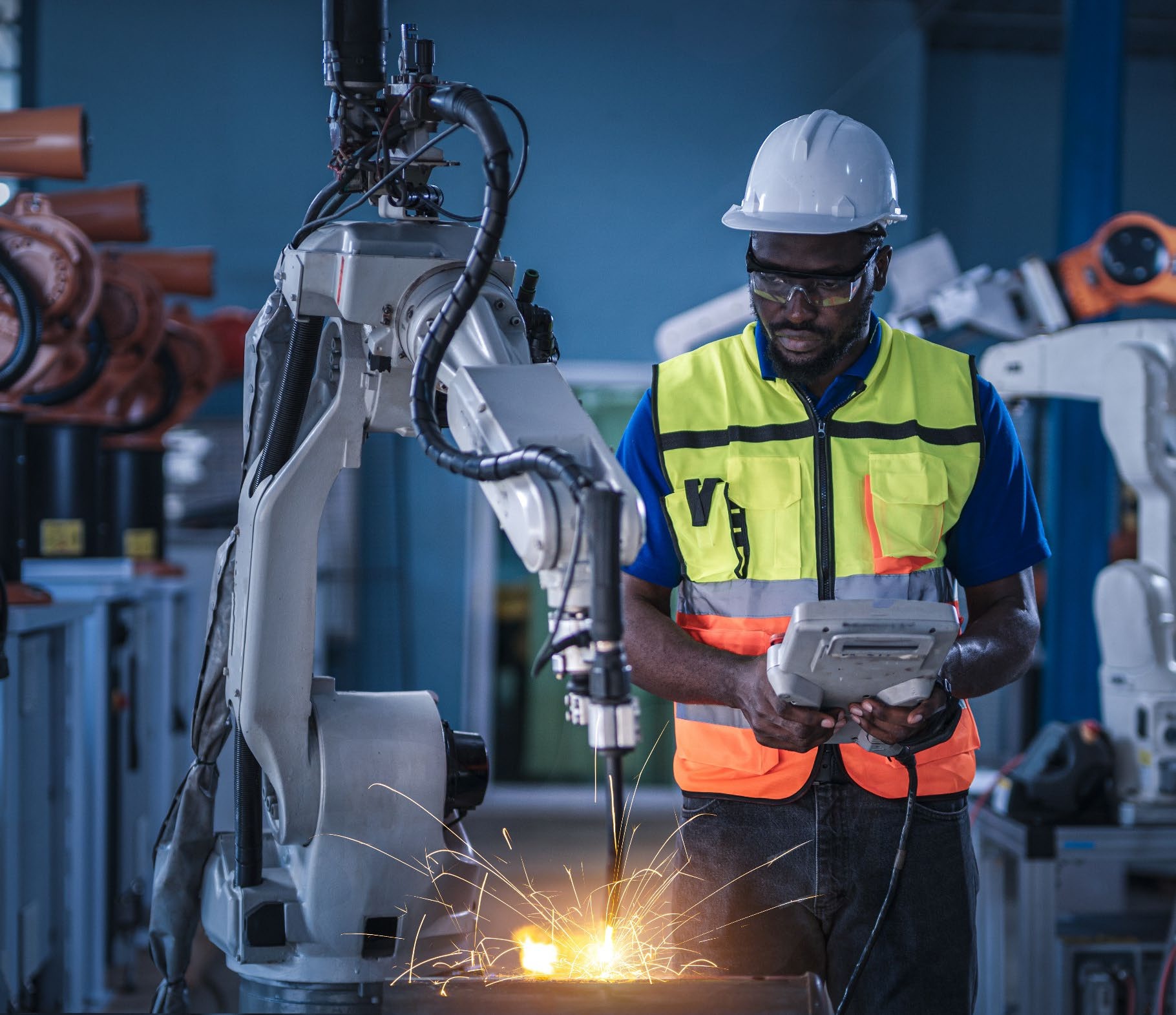
Robot welding cell throwing sparks on a production line

A line does not stop because a part is expensive.

Manufacturing runs on items that have to be in one exact place at one exact time:

  • Tools, moulds and fixtures moving between machines and shifts
  • Work in progress that has to be traceable at every step
  • Spare parts held for the day a machine stops

When one is missing, the loss is not the part. It is the line standing still at a six figure cost for every day, and the maintenance planned based on an inaccurate record.

GlobeRanger reads the tags those items already carry and keeps one record of where each is and what condition it is in. A mould leaving its bay, or a tool that has not been returned, raises an exception.

It writes into the systems you already run, SAP included, and reuses the barcodes and RFID already installed. Nothing is ripped out.

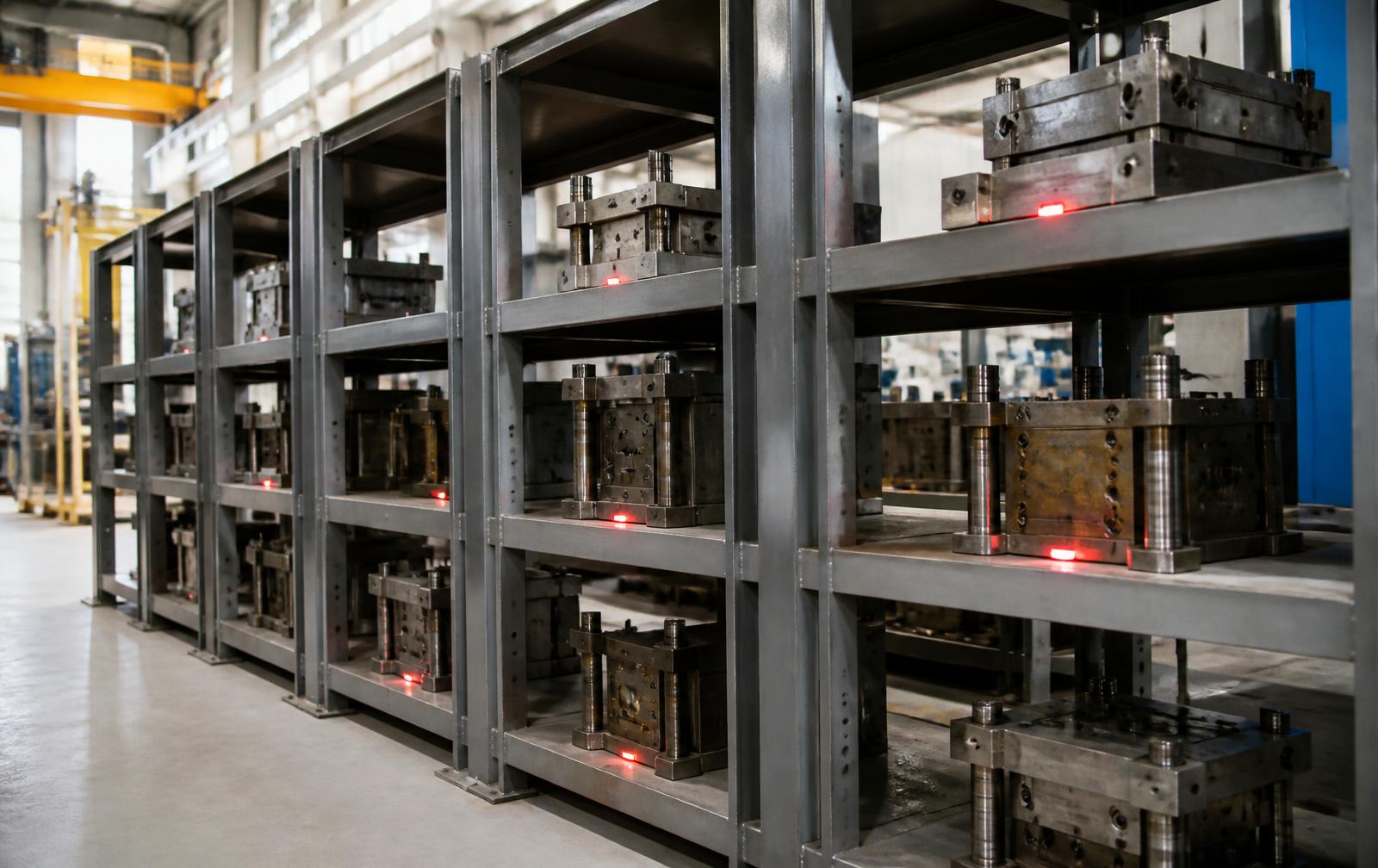
Tooling and moulds resting in bays on heavy steel racking on a bright shop floor

Baker Hill Industries: precision parts, tracked through the process.

Baker Hill Industries machines precision components for aerospace, defence, medical and commercial customers. A single steel part passes through a long sequence of operations before it is finished, and each operation is a point at which it can be mislaid.

Fujitsu deployed the GlobeRanger platform to track those components in real time as they move through the manufacturing workflow, so the location of every part is known at every step rather than only at the start and the end.

The result is a shop floor where parts no longer need to be searched for and where the operational record reflects what is actually happening on the floor.

Robot arm on a production cell with an operator tablet in the foreground

The deployment was announced by Fujitsu in 2016 and covered independently by the trade press.

The same capability, a different floor.

Two cases from other industries that solve the problem a plant knows well.

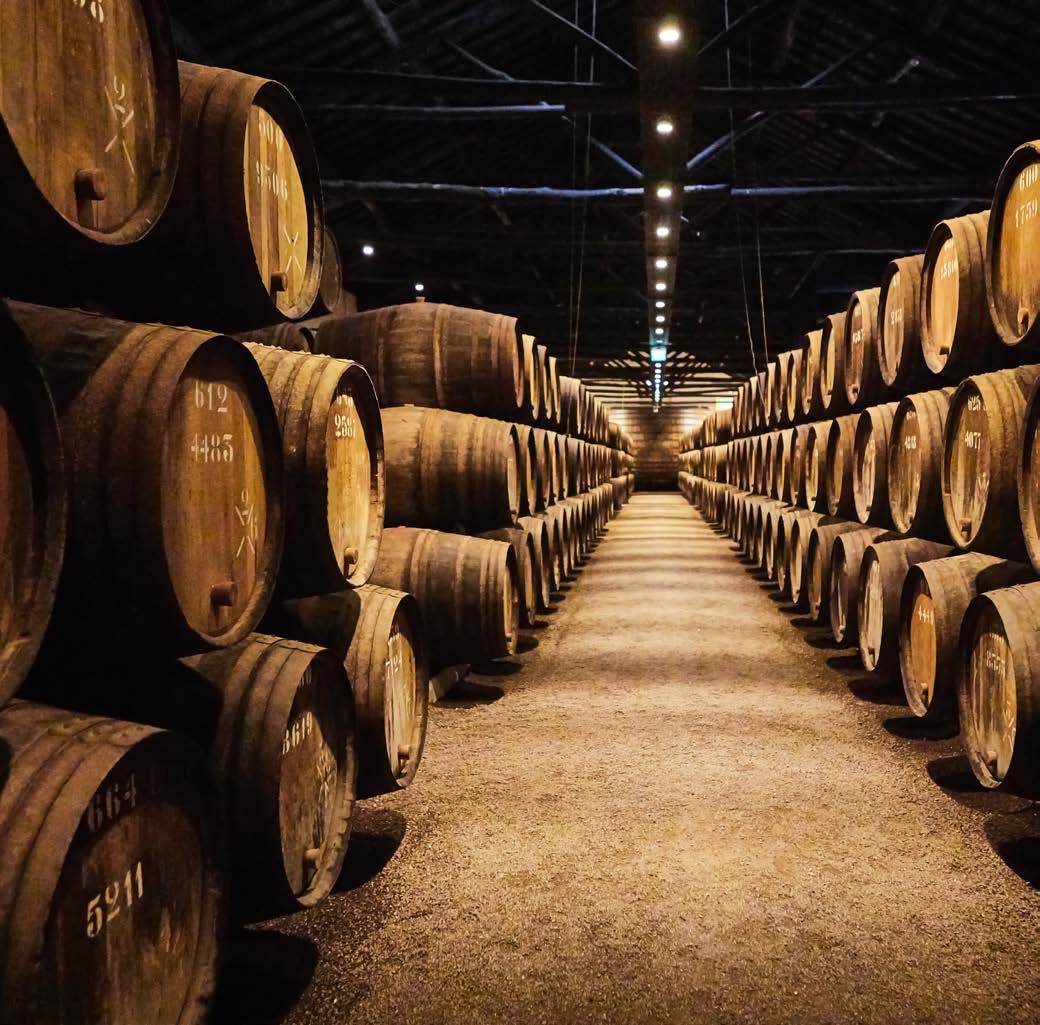
Aisle between racked barrels in a spirits maturation warehouse
Spirits and Premium Beverage

Beam Suntory: Jim Beam fills around one million barrels a year.

Every barrel at Jim Beam in Kentucky is tagged and validated automatically through production and maturation, giving one view across warehouses and distilleries. For a plant the relevance is scale: a record that stays true across hundreds of thousands of moving items, with nobody counting.
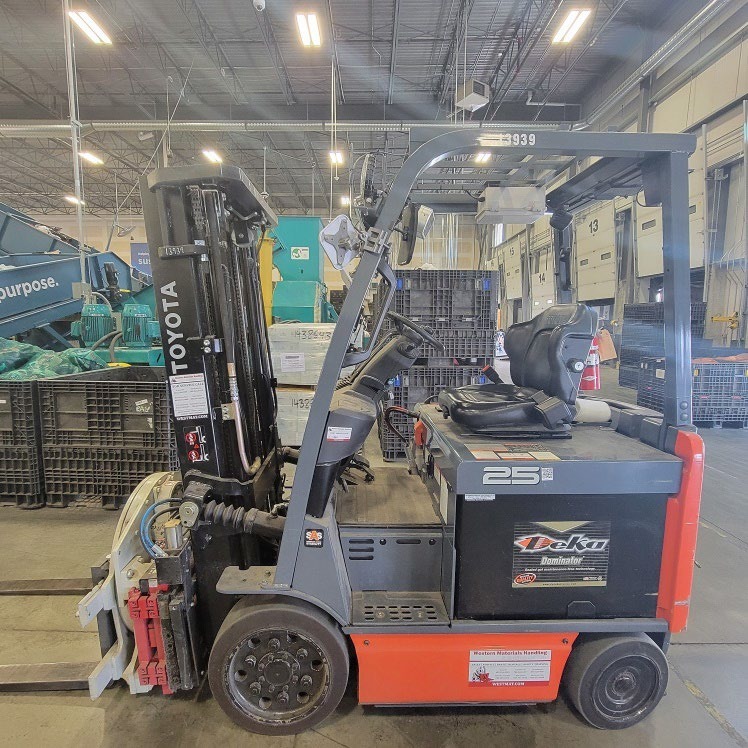
Forklift moving pallets in a distribution centre aisle
Intralogistics

Daisy Brand: readers that move with the fleet.

Daisy Brand put RFID readers on the forklifts across two distribution centres, so the vehicles that move the stock also record it. Where stock moves more often than anyone can count it, the movement itself writes the record.

How a manufacturing programme starts.

The four stages are the same everywhere. What differs on a shop floor is how quickly the first result shows.

Demo call

13 or 26 minutes

A video call with the GlobeRanger team. One question: does GlobeRanger fit your operation?

Bootcamp

1 to 3 daysCredited

One to three days on site. We work out which items cause the stoppages, whether it starts with tooling, work in progress, or the spares crib, and what a pilot would cover.

Pilot

6 to 12 weeks

A trial run on your own use case, on one line, one cell, or one class of asset. GlobeRanger proves that it works in your operation, not on a slide.

Performance Mode

ongoing

The rollout across lines, plants, or the whole production network, scoped and priced on what boot camp and pilot made concrete.

The first step costs 13 minutes.