

GlobeRanger, a Fujitsu company
/

Detention is charged by the hour, on a record nobody trusts.

GlobeRanger keeps a true record of trailers, load carriers, and returnables across yards, gates, and sites, including the condition each is in. It keeps working even where there is no network.

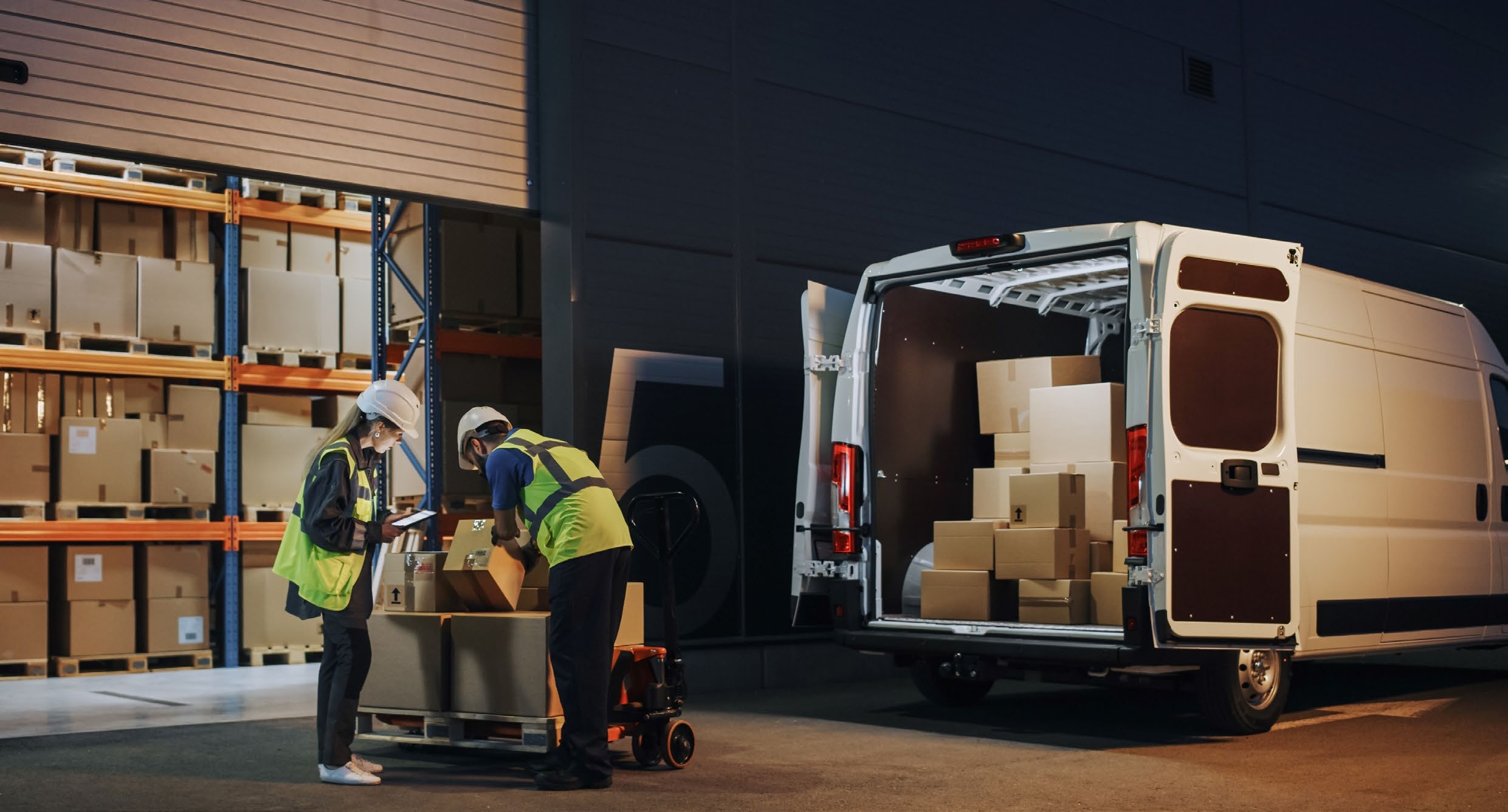
Delivery van at a loading dock

The yard is where paperwork and reality start to diverge.

A logistics operation runs on equipment that is rarely where the system thinks it is:

  • Trailers and swap bodies standing in yards across several sites
  • Pallets, cages and returnable carriers loaned out and expected back
  • Loads recorded at the gate by hand, at the busiest moment of the day

The consequences arrive later and often affect someone else: detention billed on a disputed arrival time, a returnable pool that shrinks quietly every quarter, or a load that was signed for twice and found once.

GlobeRanger reads the tags at the gates and on the vehicles and maintains a record of where every unit is, its current condition, and its condition throughout the journey. A trailer that has stood too long, or a carrier that has not returned, raises an exception.

It runs at the edge, so tracking continues in yards and sites without network coverage, and integrates with the systems you already use.

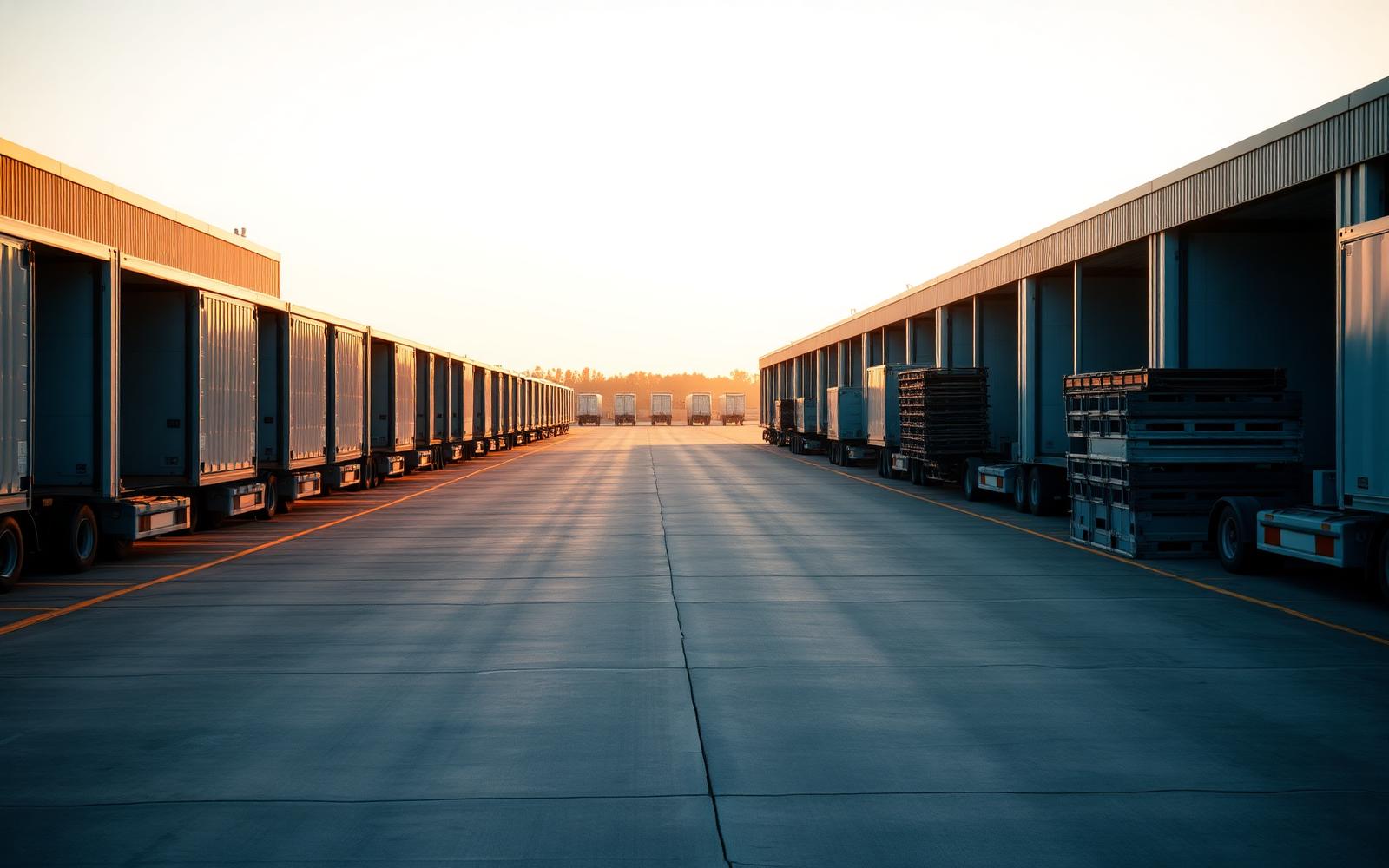
Logistics yard with trailers backed onto loading bays and load carriers standing on the apron
Manufacturing

Beaver Street Fisheries: tagged cases, live in ten weeks.

Beaver Street Fisheries, a seafood supplier, had to ship RFID tagged cases into a retail supply chain that was moving to a tagging mandate, with a fixed date and no room to miss it.

Working with the integrator Franwell on GlobeRanger's platform, the company was shipping tagged cases within ten weeks of starting, more than a year ahead of its deadline.

The same approach can be applied to other outbound logistics operations. Tagging a flow of goods leaving a site is a project measured in weeks, not years, when the reading layer sits on the gates and vehicles already in place.

Parcel being handed over at a delivery point

The same capability, a different floor.

Two cases from other industries that solve the problem a yard knows well.

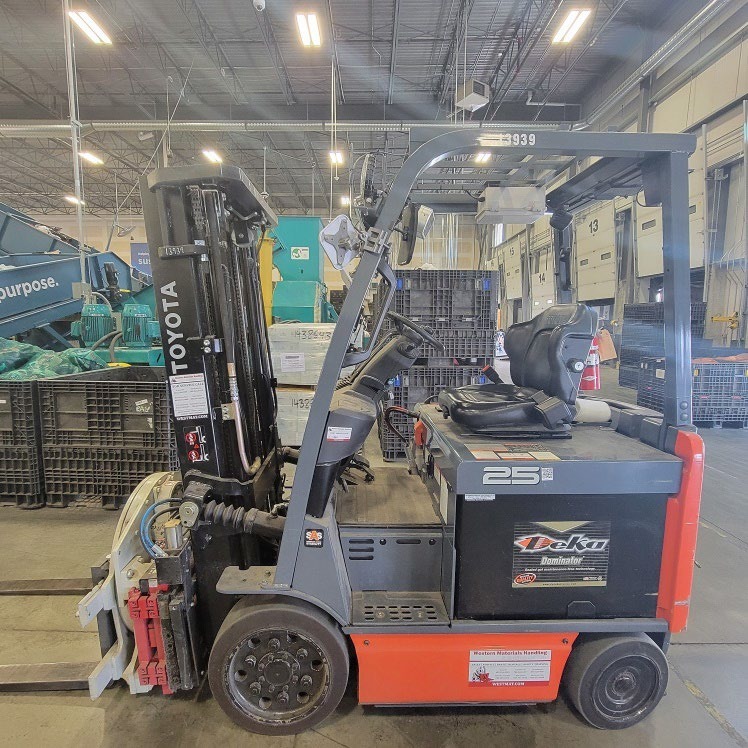
Electric forklift on a working distribution centre floor
Manufacturing

Daisy Brand: readers that move with the fleet.

Daisy Brand put RFID readers on the forklifts across two distribution centres, so the vehicles that move the stock also record it. In a yard the same idea turns the shunters and handling equipment into the reading layer, without a gantry at every gate.
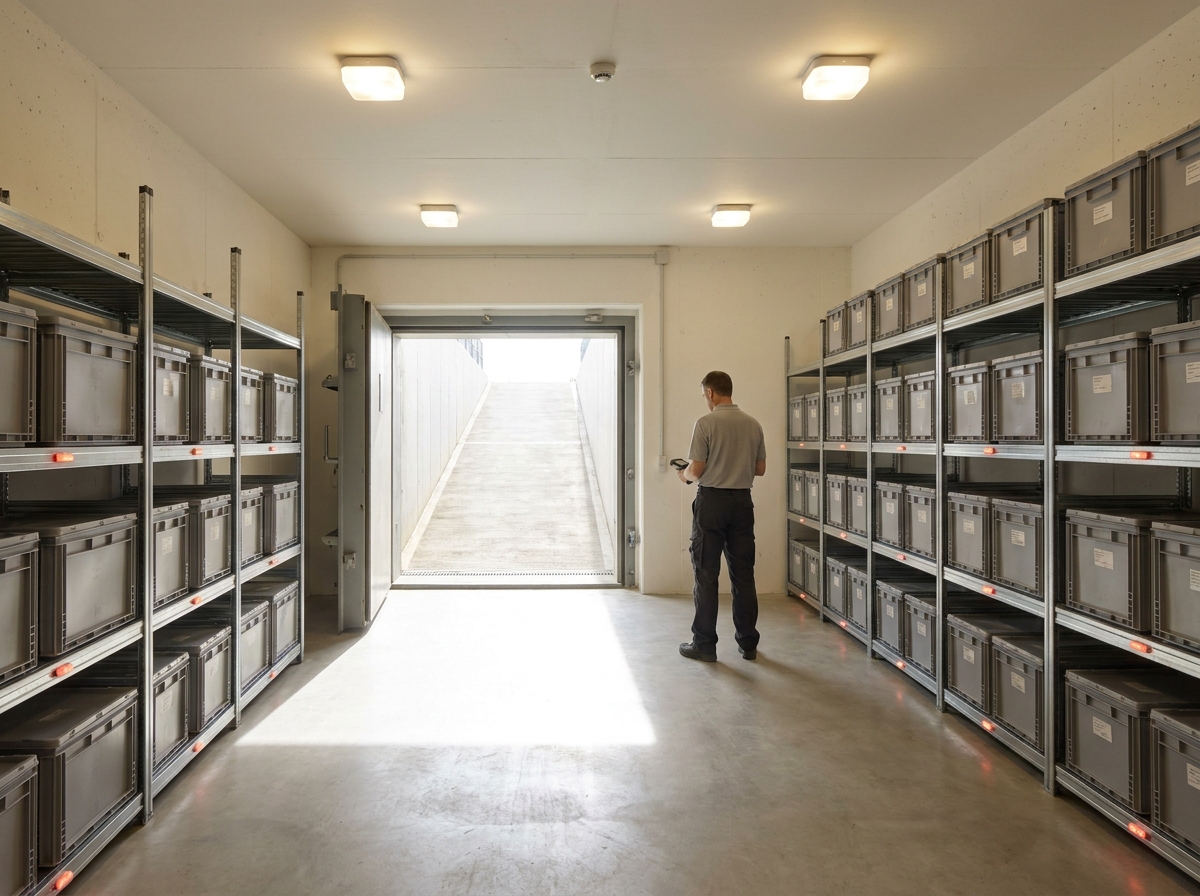
Bright bunker interior with open door
Defence

There is no network inside an ammunition bunker.

A German defence manufacturer stores ammunition and explosives in former bunkers, hazard classes 1.1 to 1.4. Each bunker has its own installation. Stock is confirmed by scanning, with no connection to the outside and without anyone counting by hand.

The customer has asked not to be named.

How a logistics programme starts.

The four stages are the same everywhere. What differs here is that the assets cross company boundaries.

Demo call

13 or 26 minutes

A video call with the GlobeRanger team. One question: does GlobeRanger fit your operation?

Bootcamp

1 to 3 daysCredited

One to three days on site. We work out where the record breaks, whether it starts at the gate, in the yard, or with the returnable pool, and what a pilot would cover.

Pilot

6 to 12 weeks

A trial run on your own use case, at one site, one gate, or on one class of carrier. GlobeRanger proves that it works in your operation, not on a slide.

Performance Mode

ongoing

The rollout across sites, yards, and the carrier network, scoped and priced on what boot camp and pilot made concrete.

The first step costs 13 minutes.

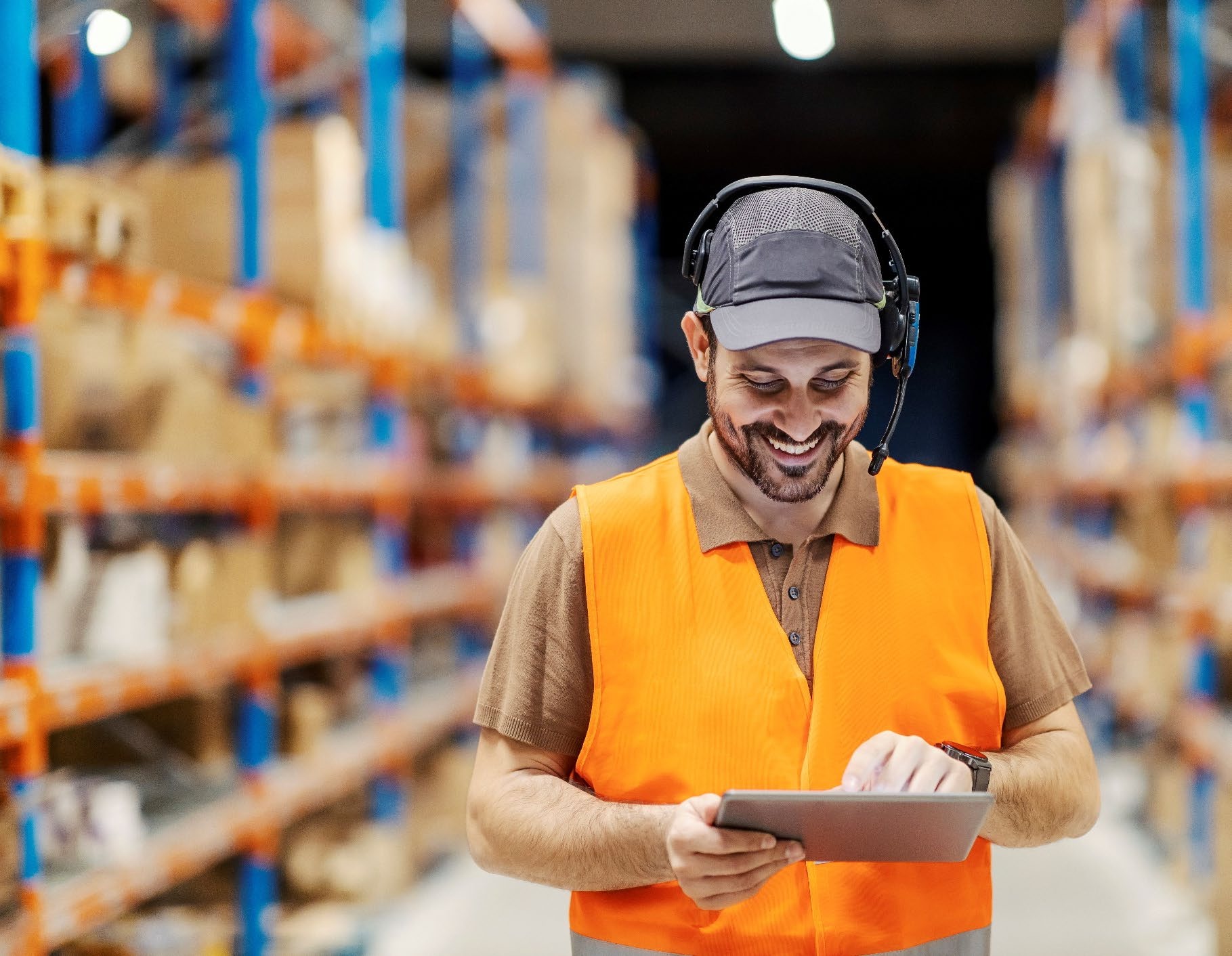
Logistics worker with a tablet in a warehouse