
GlobeRanger, a Fujitsu company
/

The equipment is on the airport. The aircraft is still waiting.

GlobeRanger keeps a true record of ground support equipment, tools and safety assets across terminals, aprons and cargo areas. It keeps working in the places on an airport where the network does not.

Family with a baggage trolley walking through an airport terminal

An airport is a warehouse without walls.

An airport moves thousands of assets that belong to no single building:

  • Pushback tugs, belt loaders, ground power units, de-icers, stairs and dollies
  • Tools in the workshop, shared across shifts, handlers and separate companies
  • Rescue and emergency equipment spread across terminals and vehicles

The record of where they are is radio calls, spreadsheets and the memory of whoever is on shift. A flight waits for a unit standing two stands away, and a safety inspection cannot be evidenced afterwards.

GlobeRanger reads the tags on that equipment and keeps one record of where each unit is and what condition it is in. A unit that leaves its zone or a tool not returned before shift end raises an exception.

It runs at the edge, so the apron, a remote stand, or a cargo shed with no coverage keeps a true record with no live connection, and writes into the systems you already run.

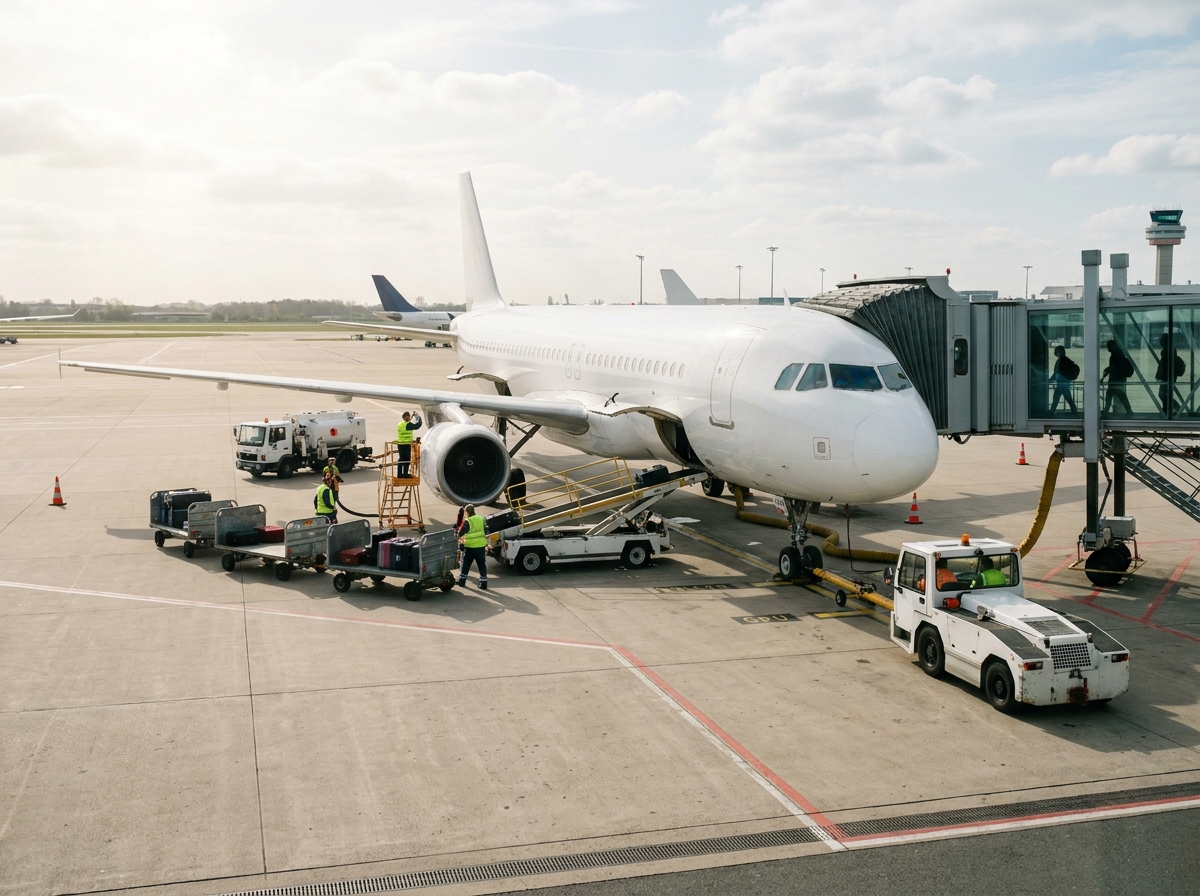
Commercial aircraft at a gate with ground support equipment and crew on the apron in daylight
Aviation

Airbus: a one hour cabin check, done in 90 seconds.

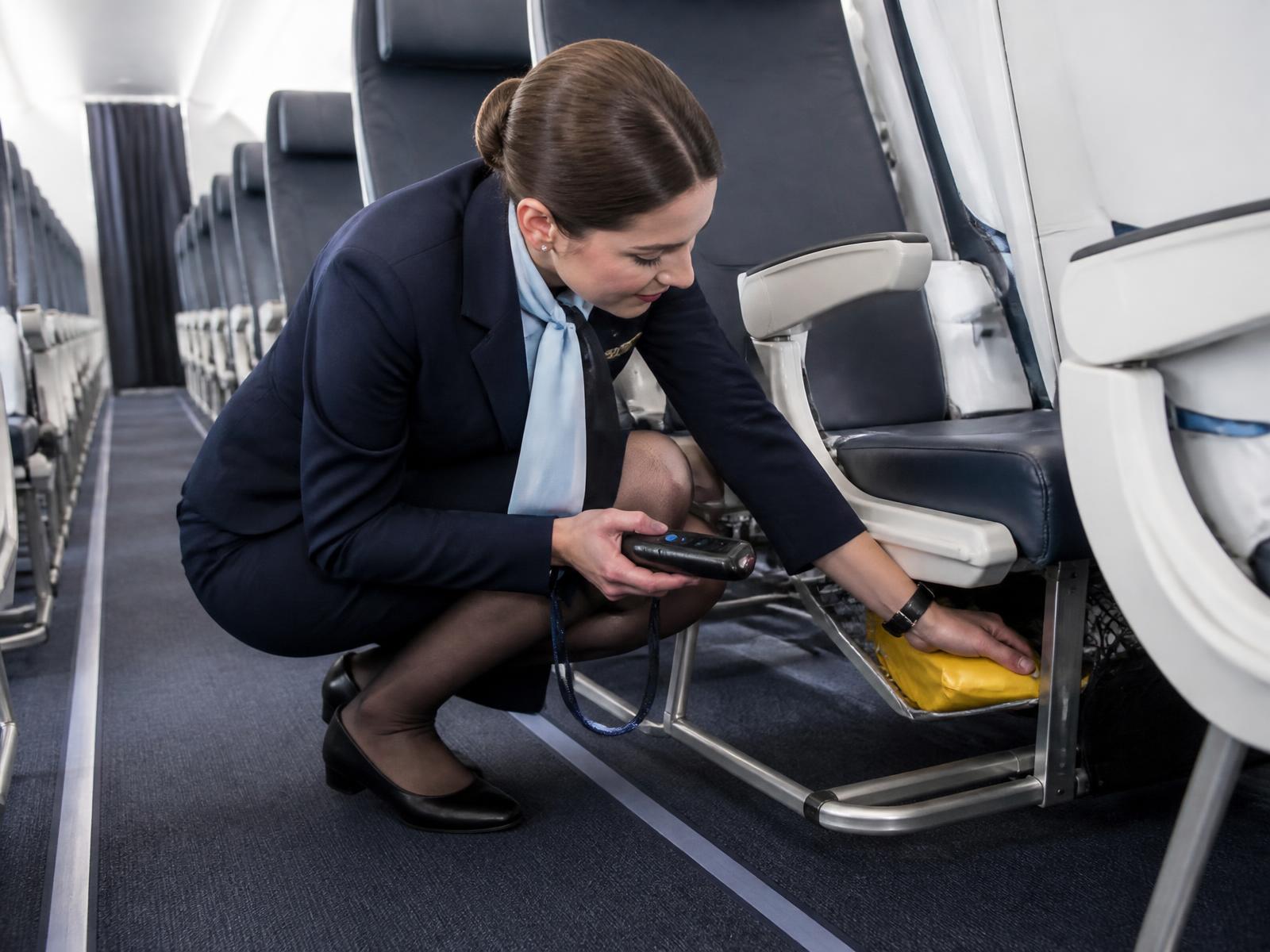
Before a flight, cabin crew confirm that the safety equipment under every passenger seat is present and every seal intact. On a widebody that is several hundred seats, checked by eye, close to an hour of work.

Airbus and Fujitsu built the Smart Emergency Equipment Manager on GlobeRanger. The handheld reads the RFID tags Airbus already installs in production, so nothing had to be retrofitted. The check now takes 90 seconds.

An airport has the same problem in a different building: safety equipment across terminals and vehicles, inspections that must be evidenced, and a scan that replaces a walk with a clipboard.

It has the potential to transform so much of the airport experience for the better.
Patrice Marin, IoT and RFID Services Director, Airbus
Cabin crew member scanning safety equipment under a passenger seat

The same capability, a different floor.

Two cases from other industries that solve the problem an airport knows well.

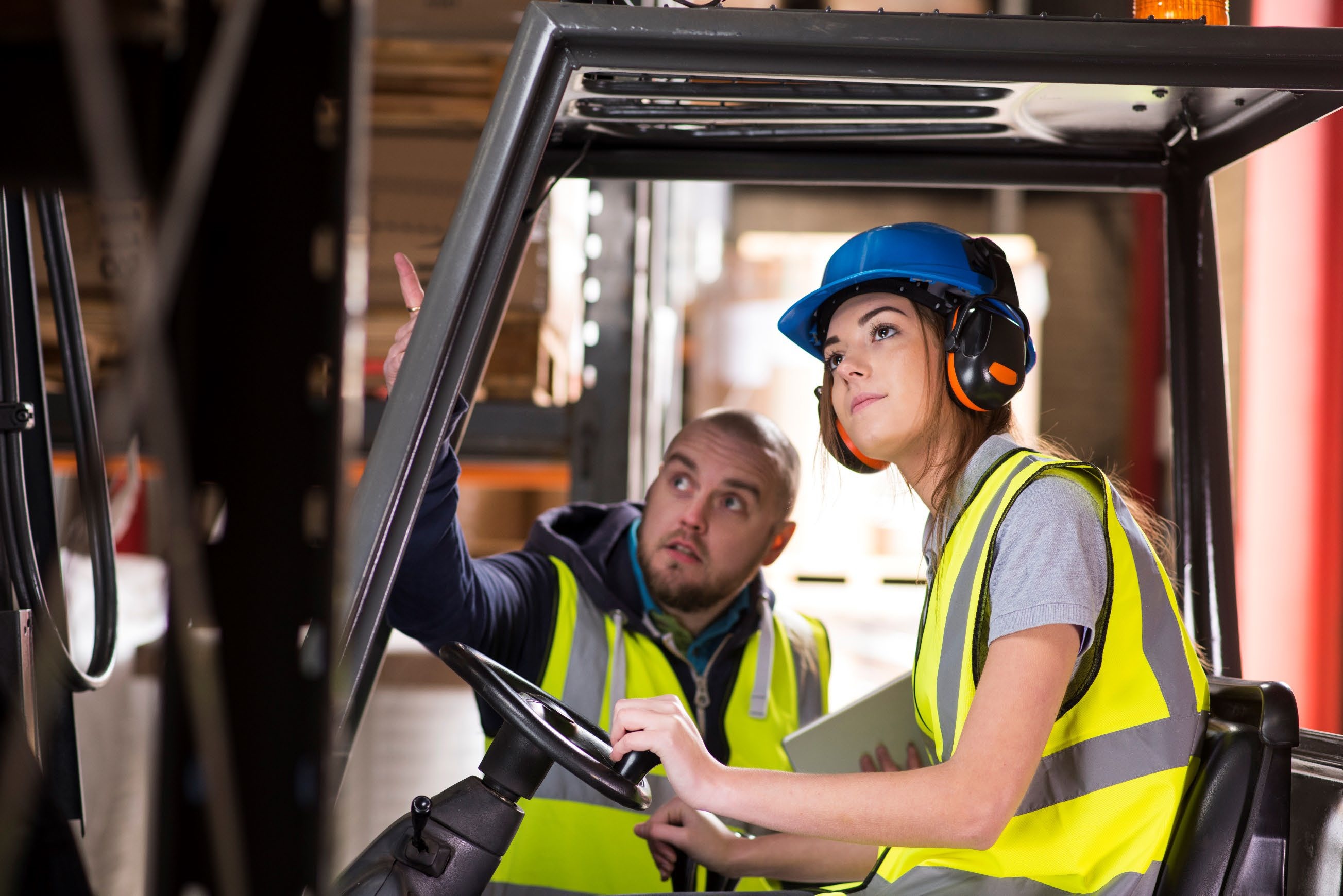
Two warehouse workers beside a forklift in a distribution centre
Intralogistics

Daisy Brand: readers that move with the fleet.

Daisy Brand put RFID readers on the forklifts across two distribution centres, so the vehicles that move the stock also record it. At an airport the same idea turns tugs and loaders into a reader network covering the apron, with no fixed equipment at every stand.
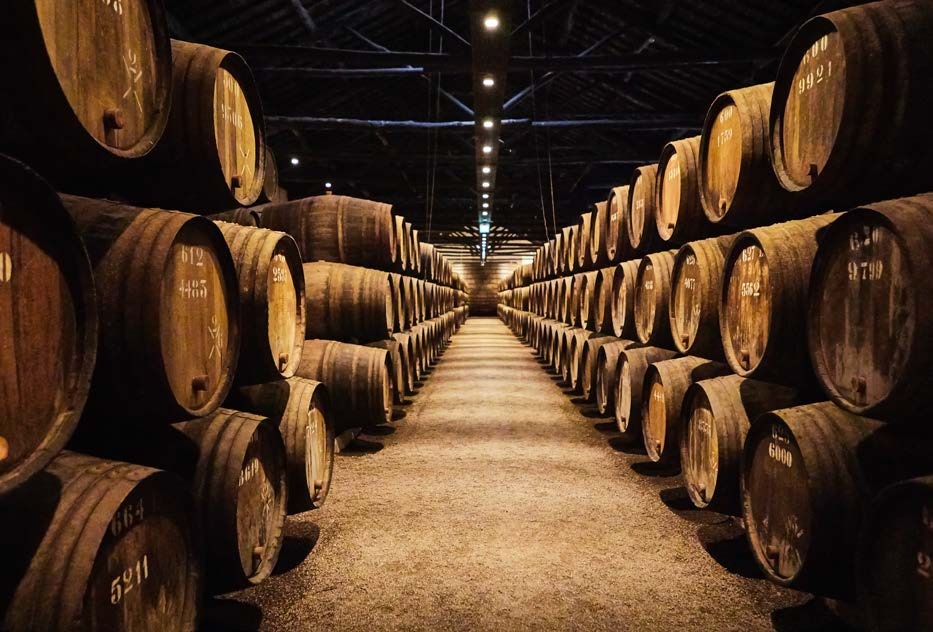

Tall racks of maturing barrels in a spirits warehouse
Spirits and Premium Beverage

Beam Suntory: Jim Beam fills around one million barrels a year.

Every barrel at Jim Beam in Kentucky is tagged and validated automatically through production and maturation, giving one view across warehouses and distilleries. For an airport the relevance is scale: a record that stays true across hundreds of thousands of moving items.

How an airport programme starts.

The four stages are the same everywhere. What differs at an airport is that the equipment often belongs to more than one company.

Demo call

13 or 26 minutes

A video call with the GlobeRanger team. One question: does GlobeRanger fit your operation?

Bootcamp

1 to 3 daysCredited

One to three days on site. We work out which equipment causes the delays, whether it starts on the apron, in the workshop, or with terminal safety assets, and what a pilot would cover.

Pilot

6 to 12 weeks

A trial run on your own use case, on one apron area, in one terminal, or with one class of equipment. GlobeRanger proves that it works in your operation, not on a slide.

Performance Mode

ongoing

The rollout across terminals, aprons, and cargo areas, scoped and priced on what boot camp and pilot made concrete.

The first step costs 13 minutes.

Travellers walking through an airport terminal