1 – 4Sep
EventSMM Hamburg
Hamburg, Germany

GlobeRanger keeps an accurate record of handling equipment, gear, and terminal assets across quays, yards, and workshops, including the condition of each asset. It continues working even where there is no network.
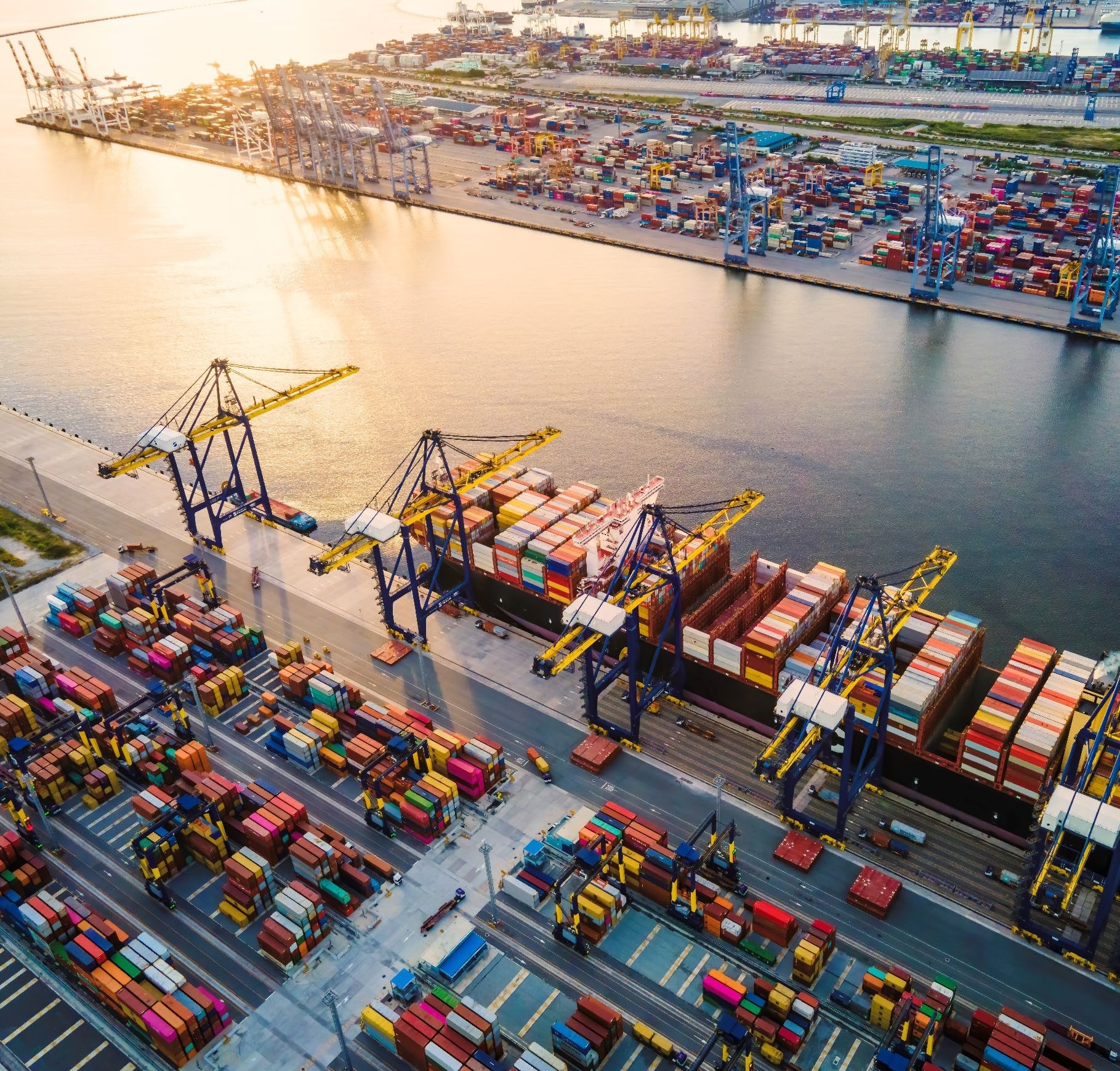
A terminal runs on assets that are counted far less carefully than the cargo:
The cargo has a number and a system behind it. The equipment that handles it usually does not. As a result, a spreader may be repaired twice, equipment may be purchased again, or an inspection may be difficult to verify because nobody can identify which unit it covered.
GlobeRanger reads the tags on that equipment and keeps one record of where each unit is and what condition it is in. A unit leaving its zone, or gear that has not come back to the store, raises an exception.
It runs at the edge, so tracking continues in quays, yards, and workshops even without a live network connection, while integrating with the systems already in use.
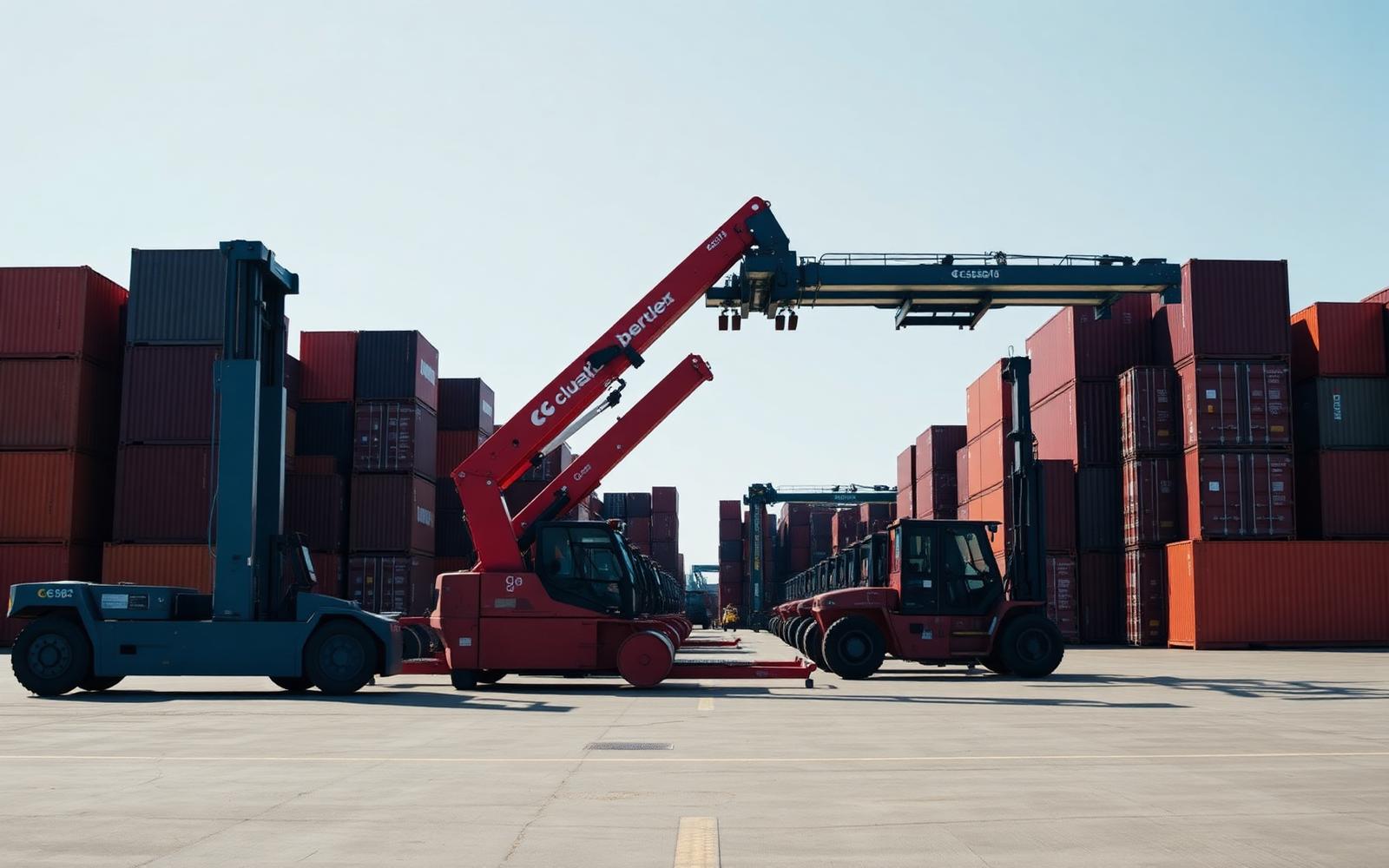
Trade fairs, deadlines and standards that matter for this industry.
Hamburg, Germany
Hamburg, Germany
Hamburg, Germany
Two operations with the same problem, in different buildings.
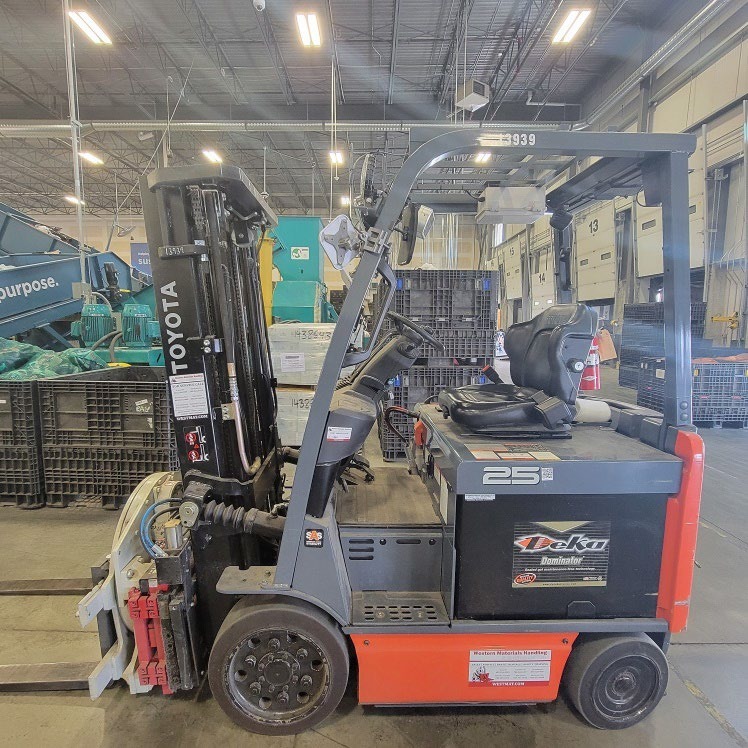
Daisy Brand put RFID readers on the forklifts across two distribution centres, so the vehicles that move the stock also record it. On a terminal the same idea turns tractors and stackers into the reading layer, without fixed equipment across the whole yard.
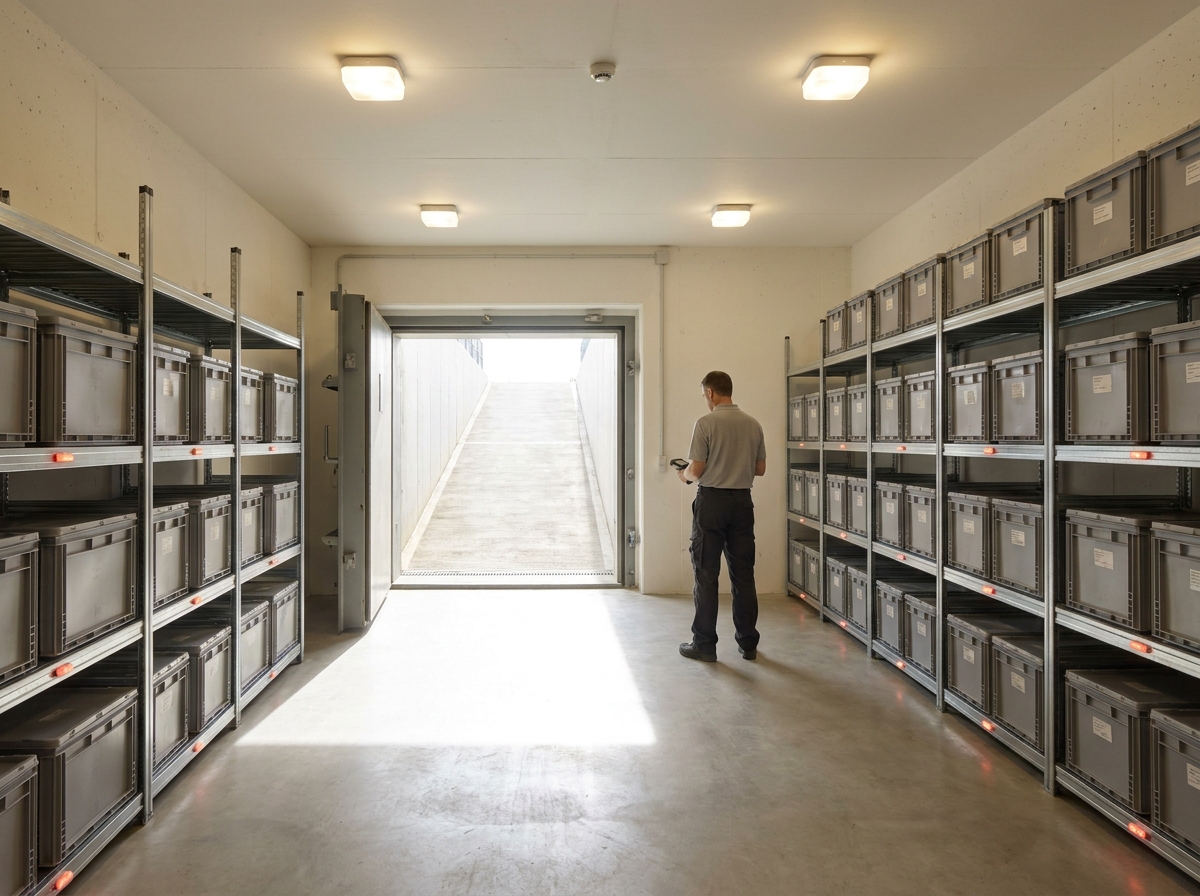
A German defence manufacturer stores ammunition and explosives in former bunkers, hazard classes 1.1 to 1.4. Each bunker has its own installation. Stock is confirmed by scanning, with no connection to the outside and without anyone counting by hand.
The customer has asked not to be named.
No terminal runs GlobeRanger today. The first one will define what this product does in the industry, and that definition is made in the boot camp, on one real operation, rather than borrowed from another sector.
A video call with the GlobeRanger team. One question: does GlobeRanger fit your operation?
One to three days on site. We work out which equipment carries the cost, whether it starts with gear, handling equipment, or workshop tools, and what a pilot would cover.
A trial run on your own use case, on one quay, one yard section, or one class of equipment. GlobeRanger proves that it works in your operation, not on a slide.
The rollout across quays, yards, and workshops, scoped and priced on what boot camp and pilot made concrete.
The first step costs 13 minutes.