
GlobeRanger, a Fujitsu company
/

An aircraft on the ground costs by the hour.

GlobeRanger keeps a true record of every rotable, every tool and every piece of safety equipment, in the hangar, on the ramp, and in the air. It keeps working even where there is no network.

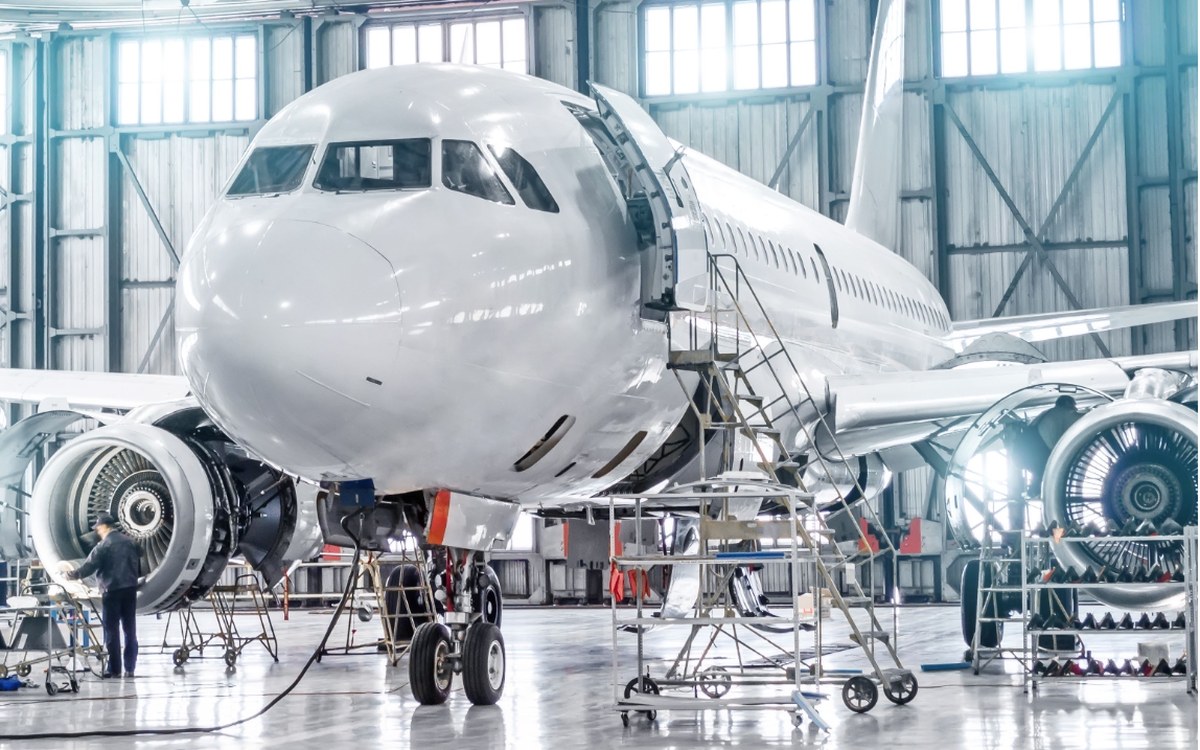
Airbus aircraft inside a hangar during maintenance

The part you cannot find is the one that grounds the aircraft.

Aviation runs on parts that never stand still:

  • A rotable that leaves the aircraft, goes to overhaul, and returns to service
  • A calibrated tool that passes through several hands in one shift
  • Safety equipment that sits under a seat for months and must be sealed on the day it is needed

When one is missing, or its record is not true, the aircraft stays on the ground until it is found, and maintenance is planned on a fiction. Every hour of that is billed to someone.

GlobeRanger reads the tags those parts already carry and keeps one record of where each is and what condition it is in. A tool that has not come back raises an exception before the shift ends.

It runs at the edge, so a hangar with poor coverage or a remote line station keeps a true record with no live connection, and writes into the systems you already run.

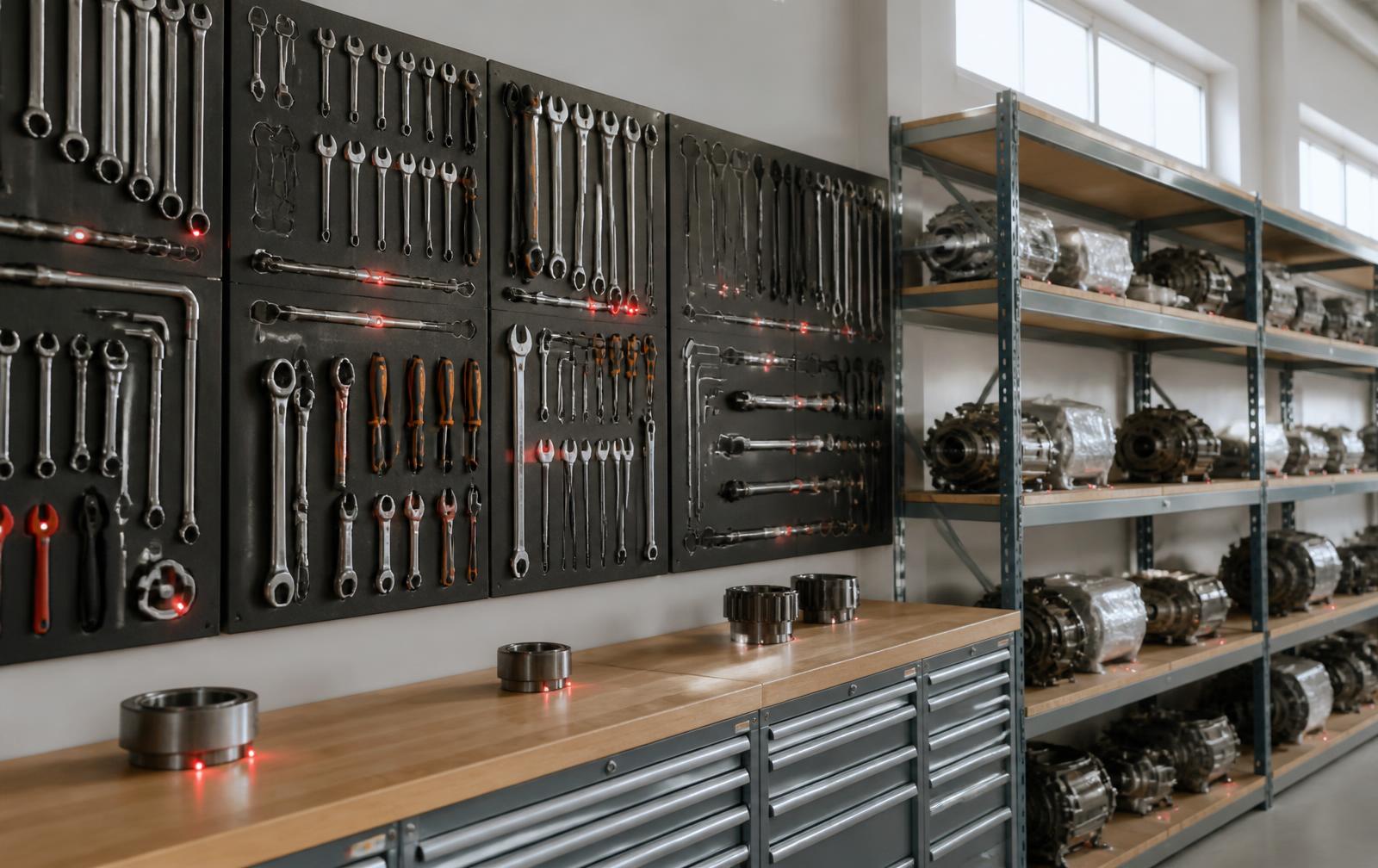
Shadow boards with calibrated hand tools beside shelving with packaged rotable components

Airbus: a one hour cabin check, done in 90 seconds.

Before a flight, cabin crew confirm that the safety equipment under every passenger seat is present and every seal intact. On a widebody that is several hundred seats, checked by eye, close to an hour of work.

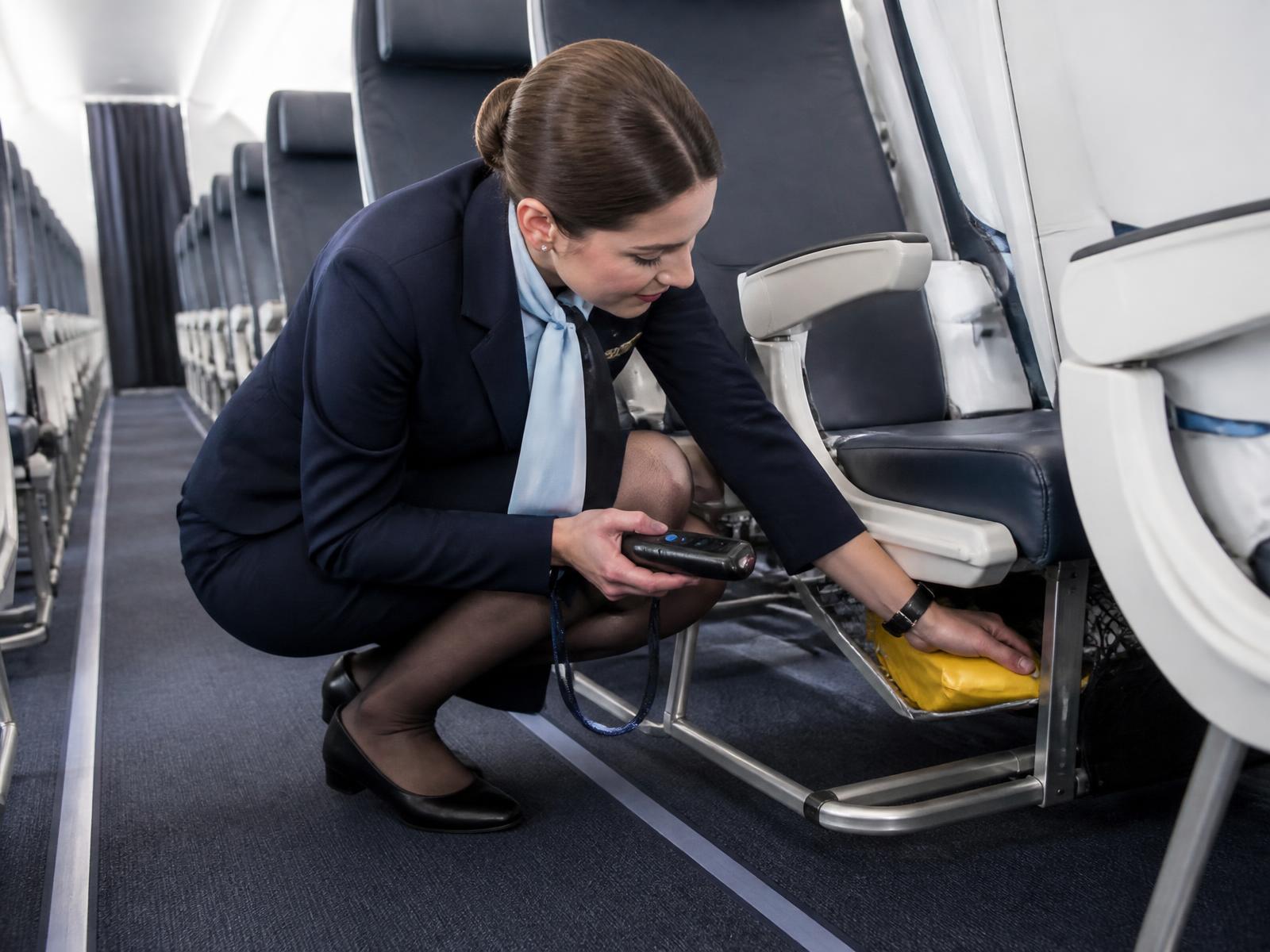
Airbus and Fujitsu built the Smart Emergency Equipment Manager on GlobeRanger. The handheld reads the RFID tags Airbus already installs during production, so nothing had to be retrofitted. The crew walks the aisle and the record is complete.

The check now takes 90 seconds instead of an hour, without contact and without the errors a visual inspection carries. It is licensed per aircraft per year and is in service today.

Airlines currently have to do a lot of inspection tasks visually, and what we are providing is a fast digital inspection tool for that.
Patrice Marin, IoT and RFID Services Director, Airbus
Cabin crew member scanning safety equipment under a passenger seat

GlobeRanger's aviation RFID solutions hold an FAA Letter of Operational Suitability, covering emergency equipment management, rotables and repairables, aging airframe management, and tool management.

The same capability, a different floor.

Two cases from other industries that solve the problem aviation knows well.

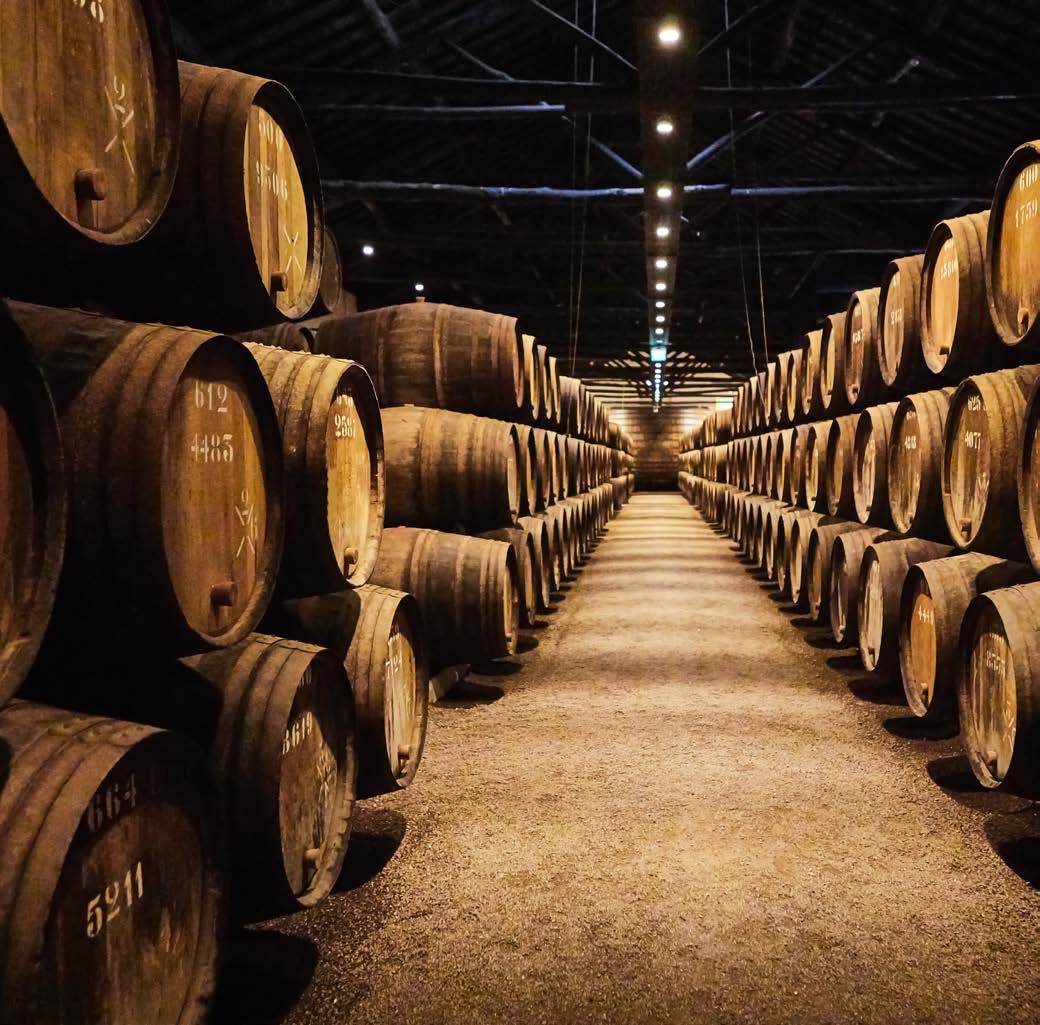
Barrel warehouse aisle in a spirits maturation hall
Spirits and Premium Beverage

Beam Suntory: Jim Beam fills around one million barrels a year.

Every barrel at Jim Beam in Kentucky is tagged and validated automatically through production and maturation, giving one view across warehouses and distilleries. For aviation the relevance is scale: a record that stays true across hundreds of thousands of moving items, with nobody counting.
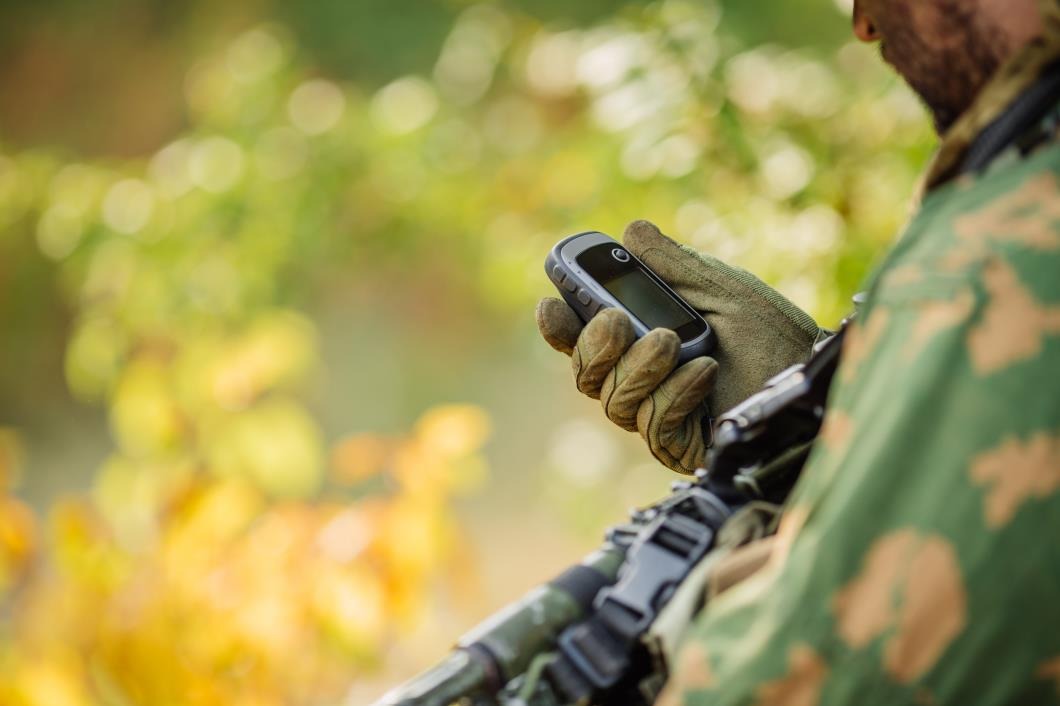

Soldier scanning equipment during an issue and return check
Defence

There is no network inside an ammunition bunker.

A German defence manufacturer stores ammunition and explosives in former bunkers, hazard classes 1.1 to 1.4. Each bunker has its own installation. Stock is confirmed by scanning, with no connection to the outside and without anyone counting by hand.

The customer has asked not to be named.

How an aviation programme starts.

The four stages are the same everywhere. What differs in aviation is who is at the table and what has to be signed between them.

Demo call

13 or 26 minutes

A video call with the GlobeRanger team. One question: does GlobeRanger fit your operation?

Bootcamp

1 to 3 daysCredited

One to three days at your site. We work out which assets carry the pain, whether it starts in the hangar, at the line station or in the tool crib, and what a pilot would cover.

Pilot

6 to 12 weeks

A trial run on your own use case, at one station or on one aircraft type. GlobeRanger proves that it works in your operation, not on a slide.

Performance Mode

ongoing

The rollout across stations, fleets or the maintenance organisation, scoped and priced on what boot camp and pilot made concrete.

The first step costs 13 minutes.

View from an aircraft cabin window