
GlobeRanger, a Fujitsu company
/

Stocktaking tells you what was true last week.

GlobeRanger turns the forklifts, gates and readers you already run into one record of every pallet, container, and returnable in the building. It keeps working even where there is no network.

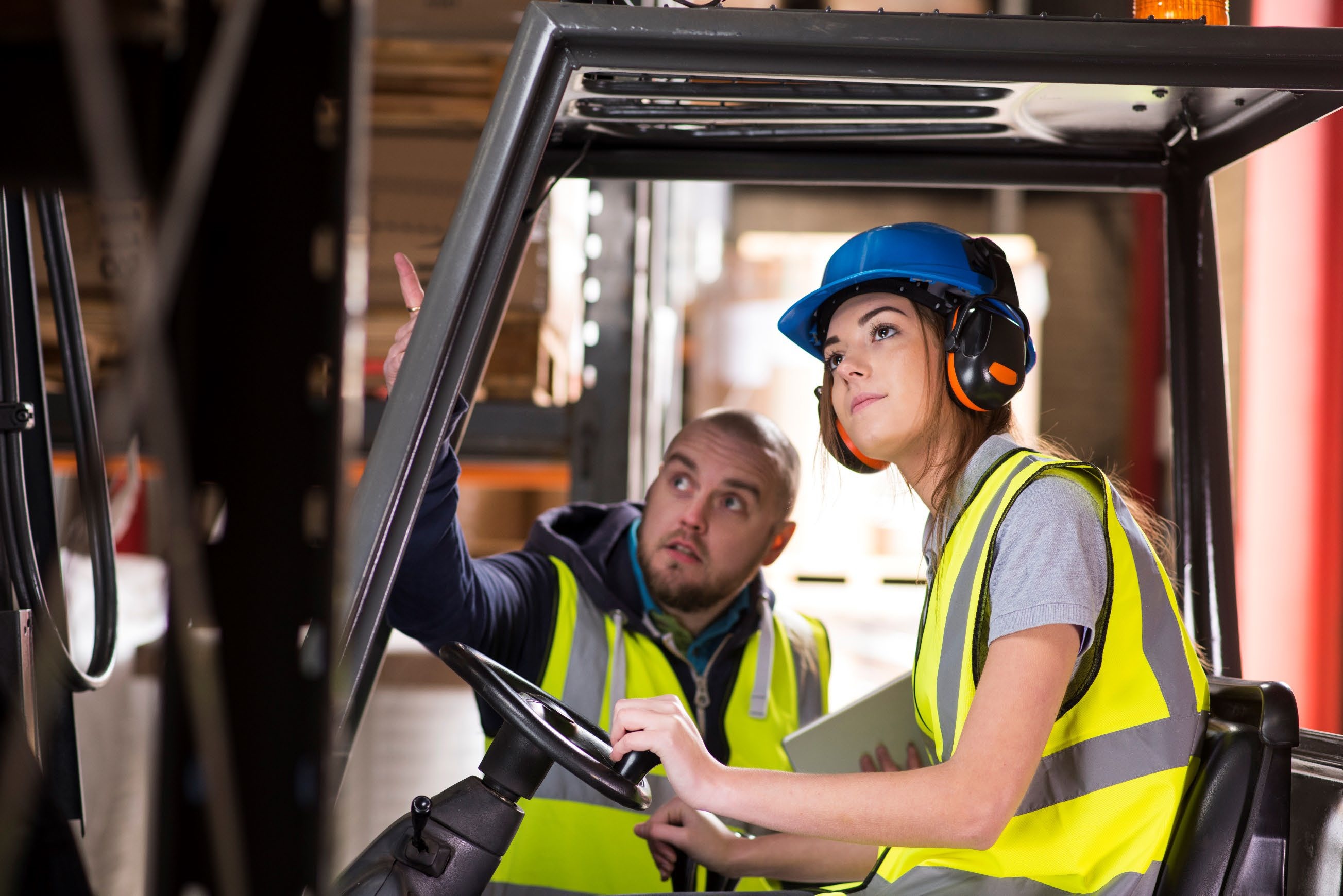
Two warehouse workers beside a forklift in a distribution centre

The count is not the problem. The gap between counts is.

A distribution centre moves stock faster than anyone can record it by hand:

  • Pallets and containers that change zone several times a day
  • Returnable carriers that leave the site and are expected back
  • Stock that is counted by walking the aisles, once a quarter

Between two counts the record drifts. Mis-postings accumulate, a picker is sent to an empty location, and the inventory figure the business plans on is an estimate wearing a decimal point.

GlobeRanger reads the tags at the gates and on the vehicles and keeps one record of where every unit is. A pallet that leaves its zone, or a returnable that has not come back, raises an exception.

It integrates with the systems you already use, including SAP and warehouse management systems, and reuses existing barcodes and RFID infrastructure. No existing infrastructure needs to be replaced.

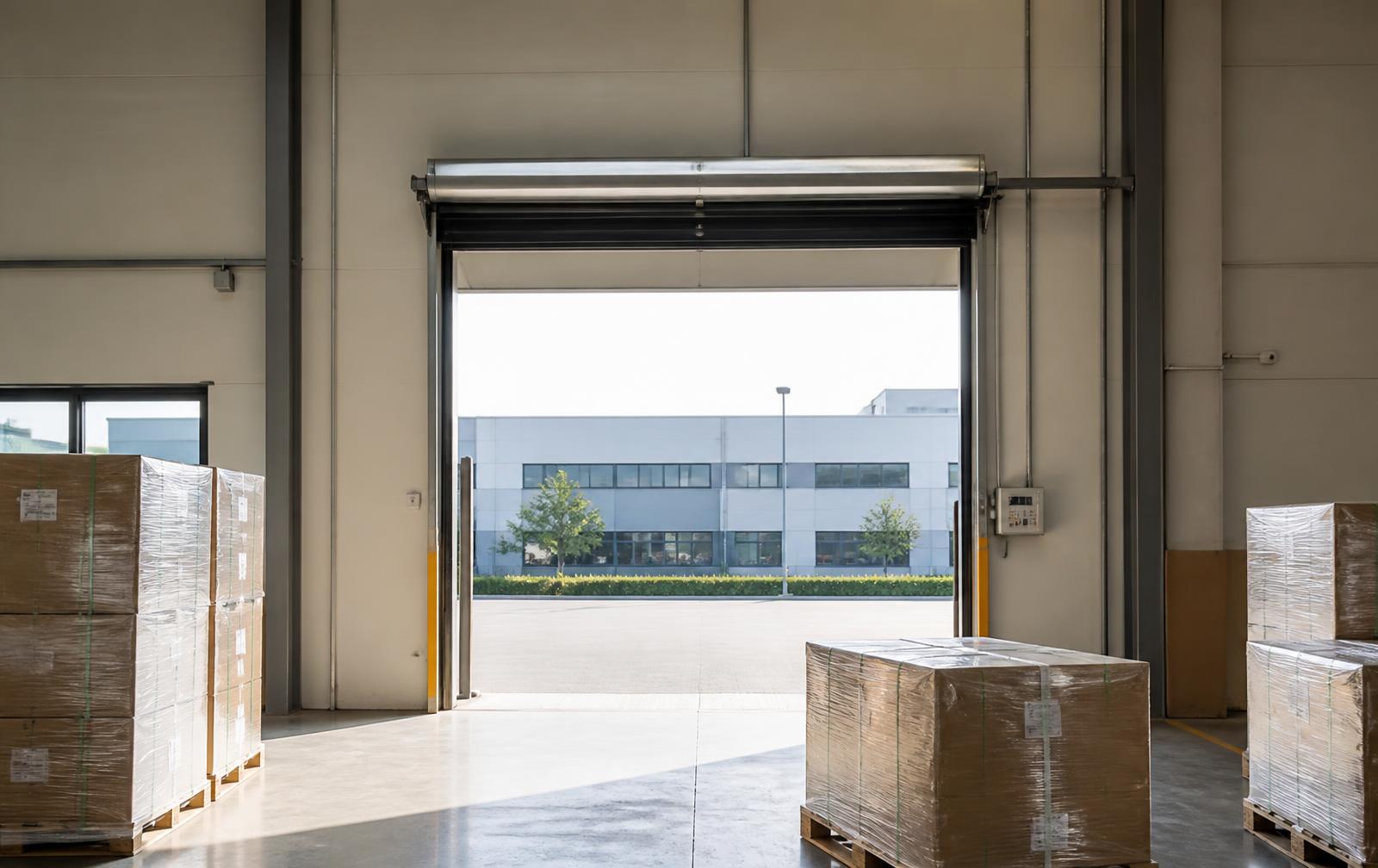
Dock door in a distribution centre with an RFID reader gantry above and wrapped pallets staged in front
Manufacturing

Daisy Brand: readers that move with the fleet.

Daisy Brand runs distribution centres where stock moves constantly between receiving, storage and despatch, faster than any periodic count can follow.

The company put RFID readers on the forklifts across two of those centres, combined with tablets for the operators, so the vehicles that move the stock also record it. No fixed reading equipment was needed at every location.

The same approach works in any building where stock moves more often than anyone can count it. The vehicle becomes the reader, and each movement is recorded automatically. 

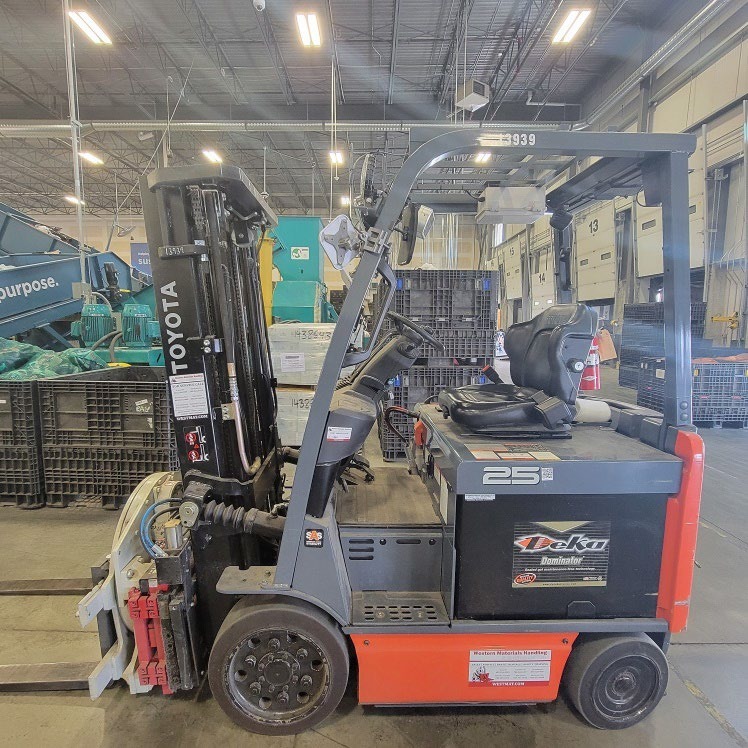
Electric forklift on a working distribution centre floor

The same capability, a different floor.

Two cases from other industries that solve the problem a warehouse knows well.

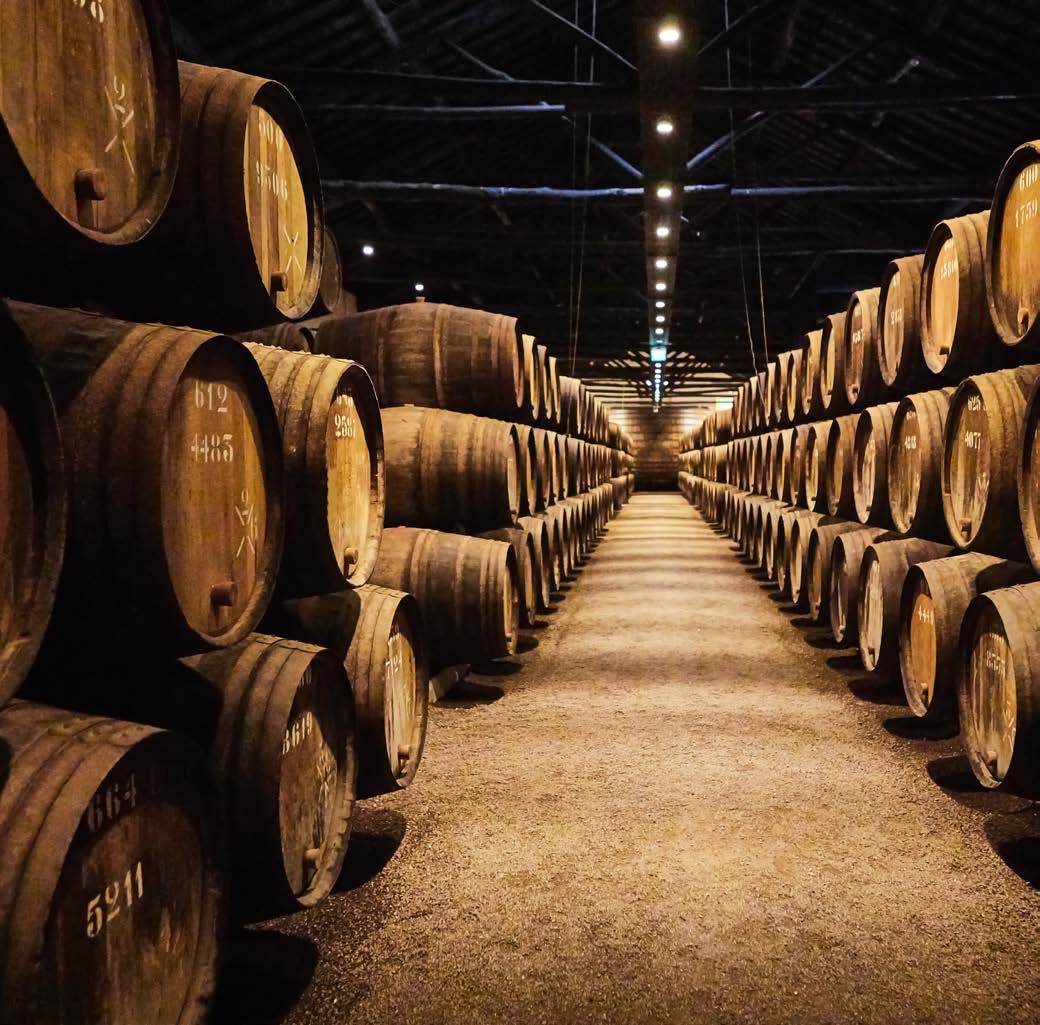
Barrel warehouse aisle in a spirits maturation hall
Spirits and Premium Beverage

Beam Suntory: Jim Beam fills around one million barrels a year.

Every barrel at Jim Beam in Kentucky is tagged and validated automatically through production and maturation, giving one view across warehouses and distilleries. The relevance here is scale: a record that stays true across hundreds of thousands of units, with nobody counting.
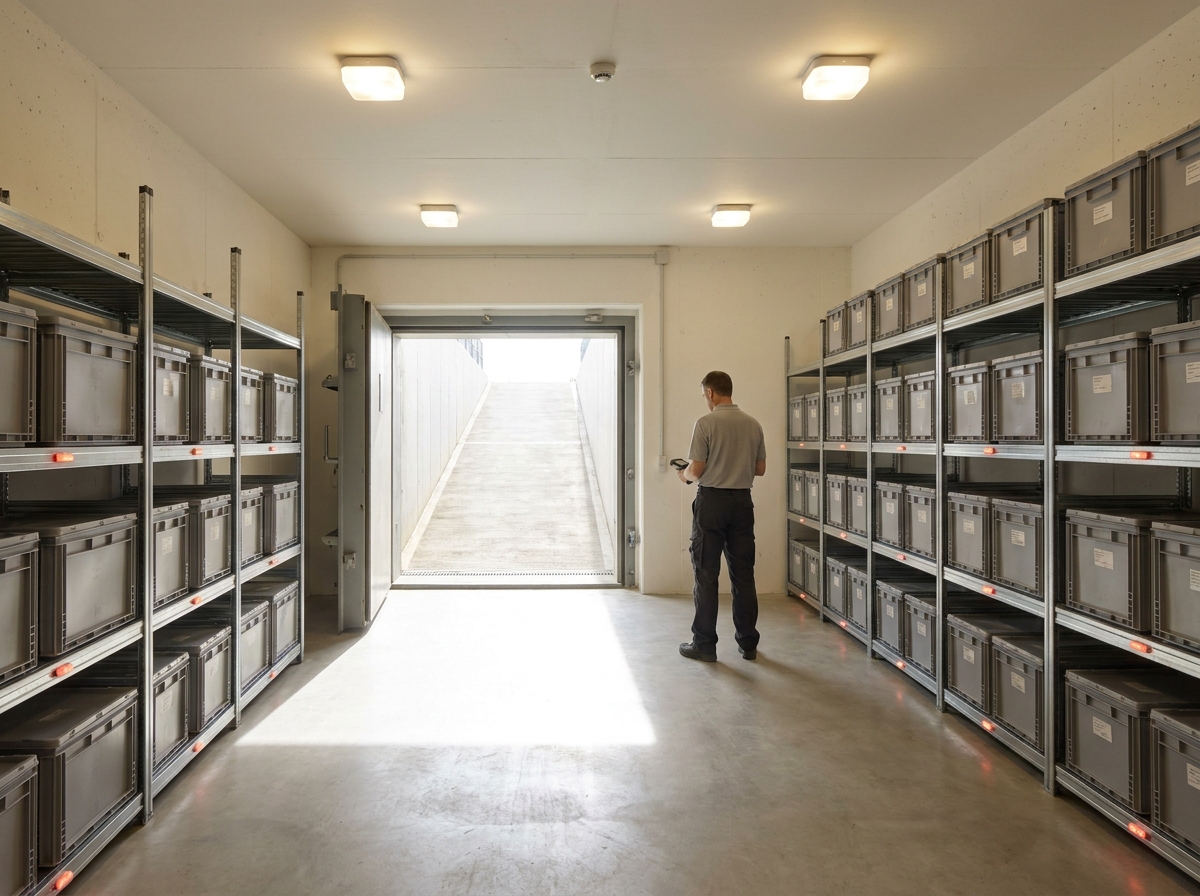
Interior of a bunker warehouse with stacked containers
Defence

There is no network inside an ammunition bunker.

A German defence manufacturer stores ammunition and explosives in former bunkers, hazard classes 1.1 to 1.4. Each bunker has its own installation. Stock is confirmed by scanning, with no connection to the outside and without anyone counting by hand.

The customer has asked not to be named.

How an intralogistics programme starts.

The four stages are the same everywhere. What differs in a warehouse is how much is already in place.

Demo call

13 or 26 minutes

A video call with the GlobeRanger team. One question: does GlobeRanger fit your operation?

Bootcamp

1 to 3 daysCredited

One to three days on site. We work out where the record breaks, whether it starts at the dock doors, on the vehicles, or with returnables, and what a pilot would cover.

Pilot

6 to 12 weeks

A trial run on your own use case, in one zone, at one set of dock doors, or on one class of carrier. GlobeRanger proves that it works in your operation, not on a slide.

Performance Mode

ongoing

The rollout across zones, sites, or the whole network, scoped and priced on what boot camp and pilot made concrete.

The first step costs 13 minutes.

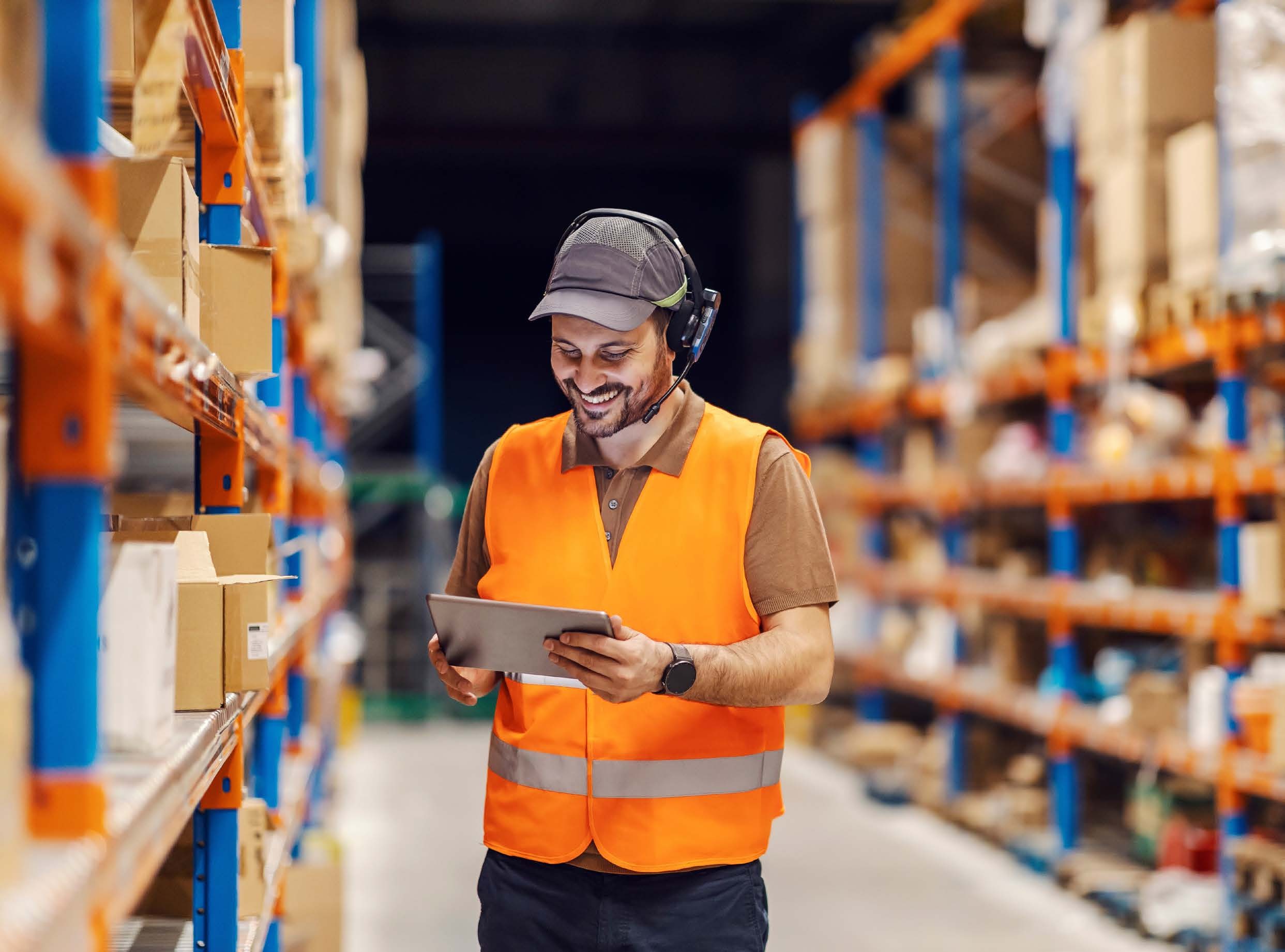
Warehouse worker with a tablet in front of pallet racking