1 – 4Sep
EventSMM Hamburg
Hamburg, Germany

GlobeRanger keeps an accurate record of spares, safety equipment, and stores aboard the vessel. It keeps working with no connection at all and reconciles with shore systems when connectivity returns.
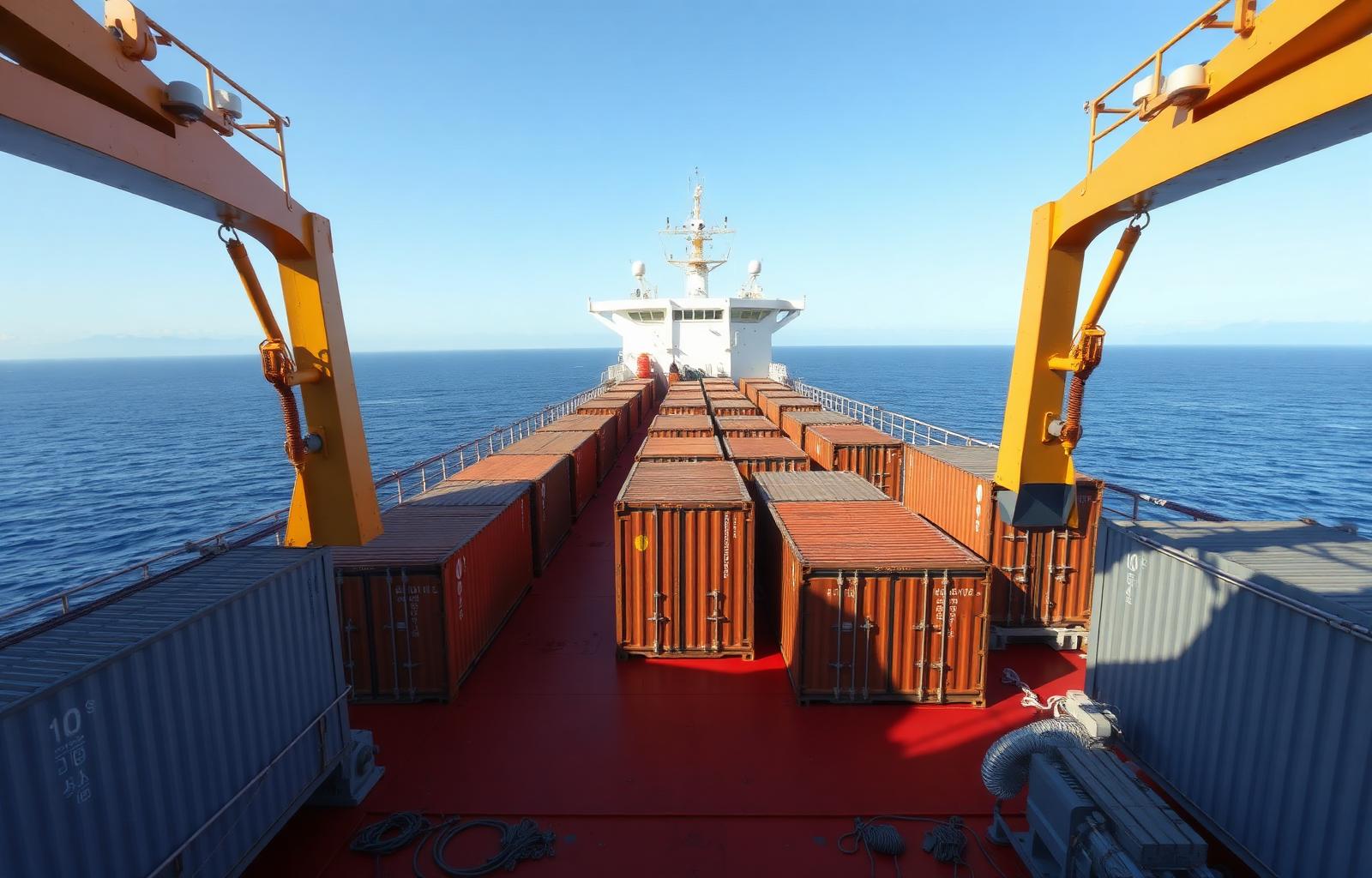
A vessel carries everything it will need for the whole voyage, and no more:
A spare recorded aboard but landed two ports ago is discovered at the worst moment. A safety item without a verifiable inspection record becomes a finding, and a finding on a vessel can result in delays measured in days.
GlobeRanger reads the tags on stores and equipment and keeps one record of what is aboard, where it is stowed, and what condition it is in. An item drawn and not returned, or an inspection coming due, raises an exception on the vessel itself.
It runs at the edge by necessity. The record remains complete without a live connection and reconciles with shore systems when connectivity becomes available.
Trade fairs, deadlines and standards that matter for this industry.
Hamburg, Germany
Hamburg, Germany
Rotterdam, Netherlands
Two operations with the same problem, in different buildings.
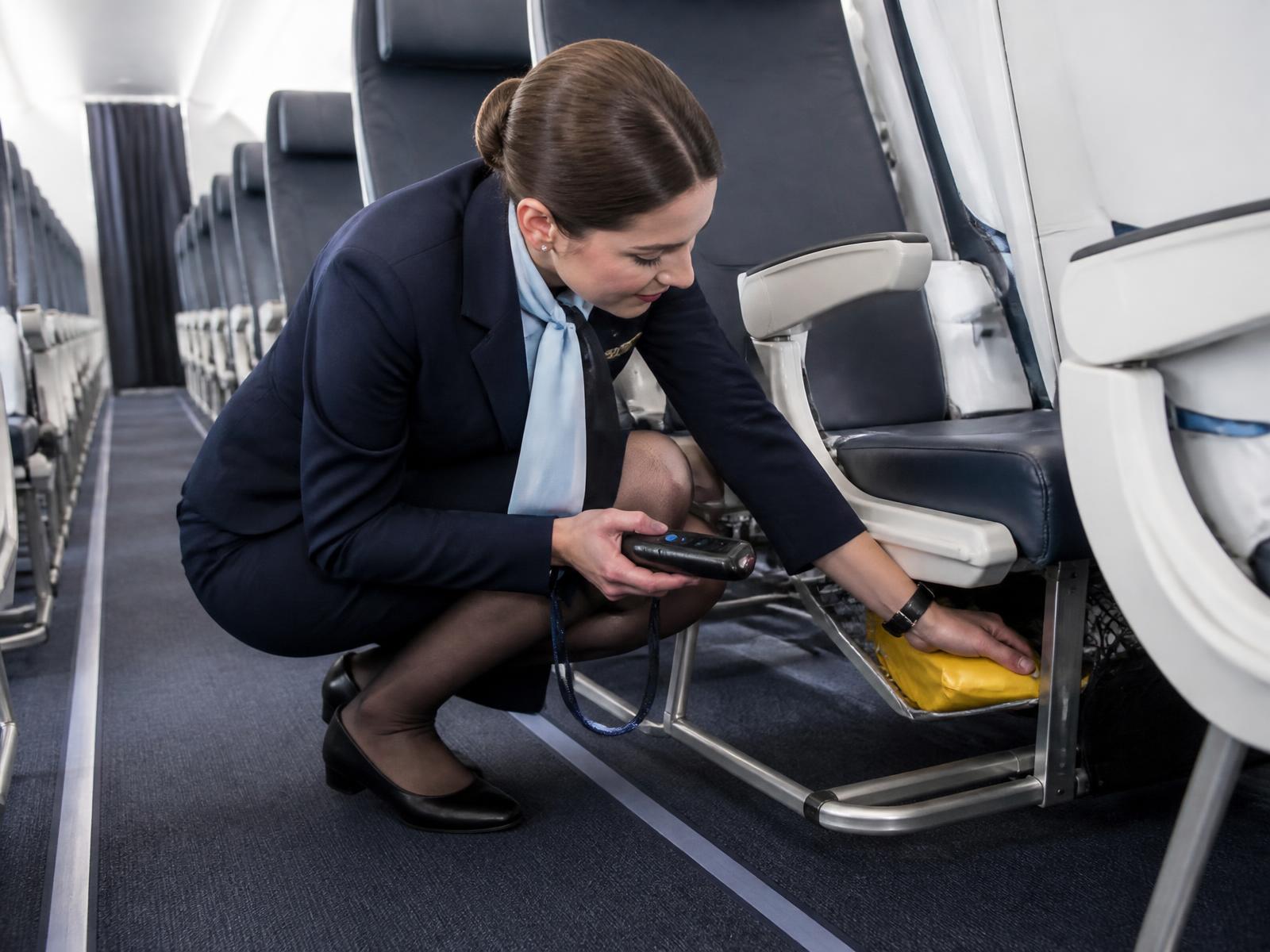
Airbus and Fujitsu built the Smart Emergency Equipment Manager on GlobeRanger. Cabin crew scan the tags already fitted in production and confirm in seconds that every item of safety equipment is present and sealed. A safety round aboard a vessel is the same walk with the same clipboard.
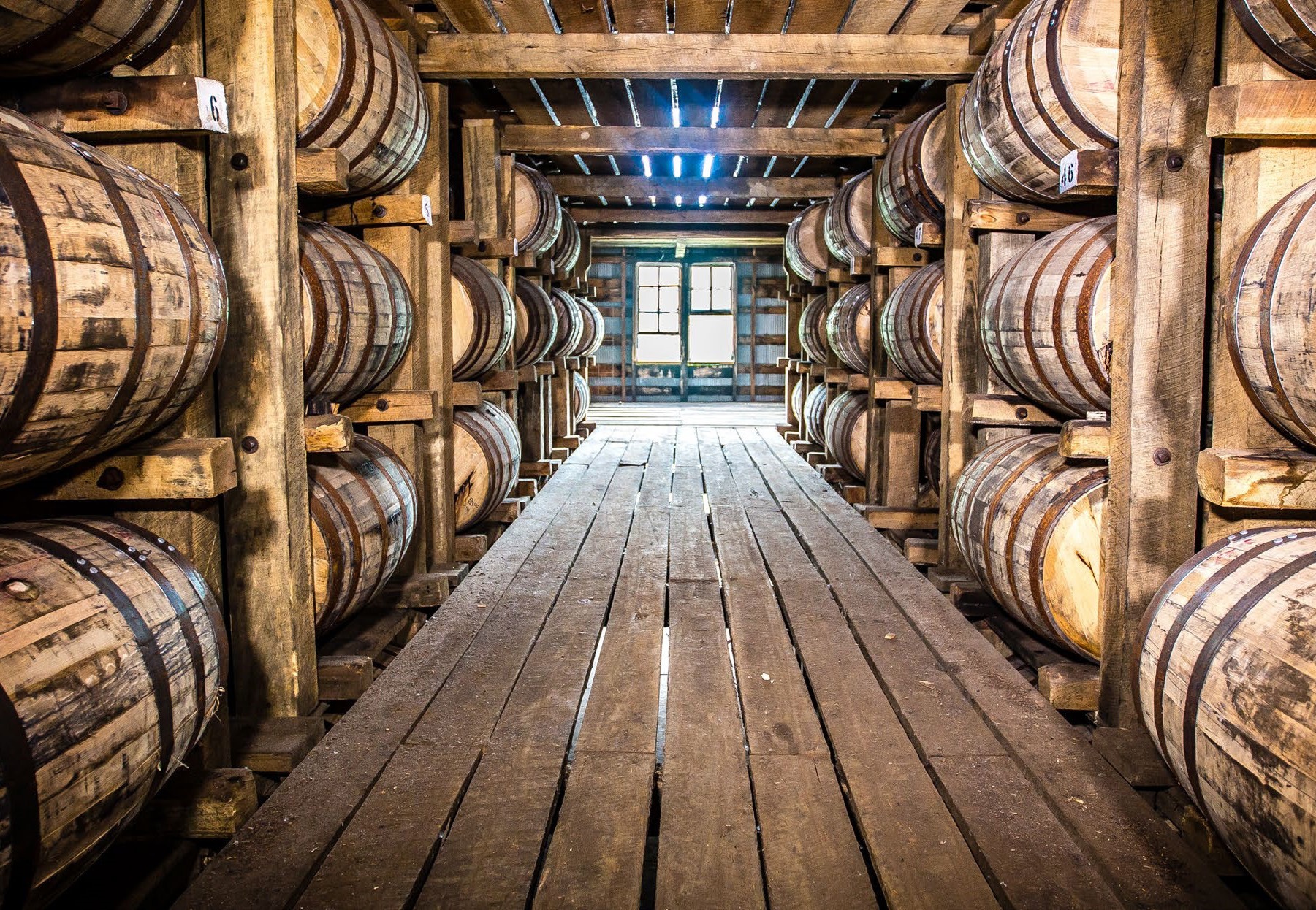
Every barrel at Jim Beam in Kentucky is tagged and validated automatically through production and maturation, giving one view across warehouses and distilleries. The relevance here is that the count survives without anyone performing it.
No fleet runs GlobeRanger today. The first one will define what this product does at sea, and that definition is made in the boot camp, on one real vessel class, rather than borrowed from another sector.
A video call with the GlobeRanger team. One question: does GlobeRanger fit your operation?
One to three days ashore or aboard. We work out what carries the risk, whether it starts with critical spares, safety equipment, or stores, and what a pilot would cover.
A trial run on your own use case, on one vessel or one class. Because the vessel is offline by default, the pilot runs that way from the first day.
The rollout across the fleet and the shore organisation, scoped and priced on what boot camp and pilot made concrete.
The first step costs 13 minutes.