
GlobeRanger, a Fujitsu company
/

The roll cage that never comes back is a cost nobody books.

GlobeRanger keeps a true record of roll cages, returnable carriers, and perishable stock across distribution centres, stores, and the routes between them. It keeps working even where there is no network.

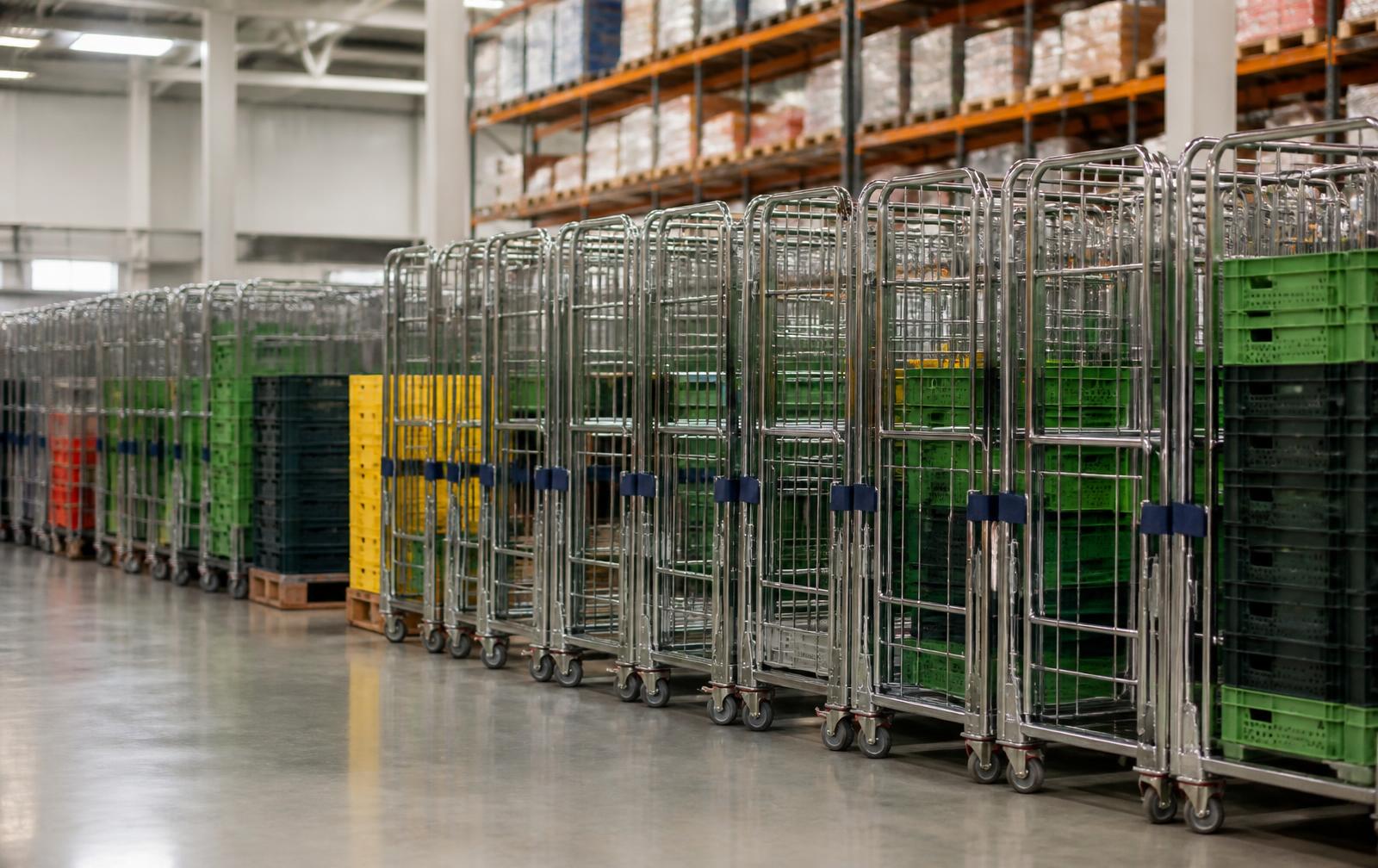
Rows of steel roll cages and plastic crates in a bright grocery distribution centre

Grocery loses more to movement than to theft.

A grocery network runs on assets that circulate rather than sit:

  • Roll cages, dollies and returnable crates travelling between centre and store
  • Perishable stock whose condition determines whether it can be sold
  • Direct store deliveries that arrive when nobody is counting

Each is cheap alone and expensive in aggregate. A returnable that does not come back is bought again. A chilled pallet whose condition is unknown is either written off or sold on a guess.

GlobeRanger reads the tags on carriers and stock and maintains a record of where each item is and what condition it is in. A crate that has not returned, or a pallet that has moved outside its required temperature range, raises an exception.

It runs at the edge, so tracking continues in a store backroom or vehicle even without a live network connection, and integrates with the systems you already use.

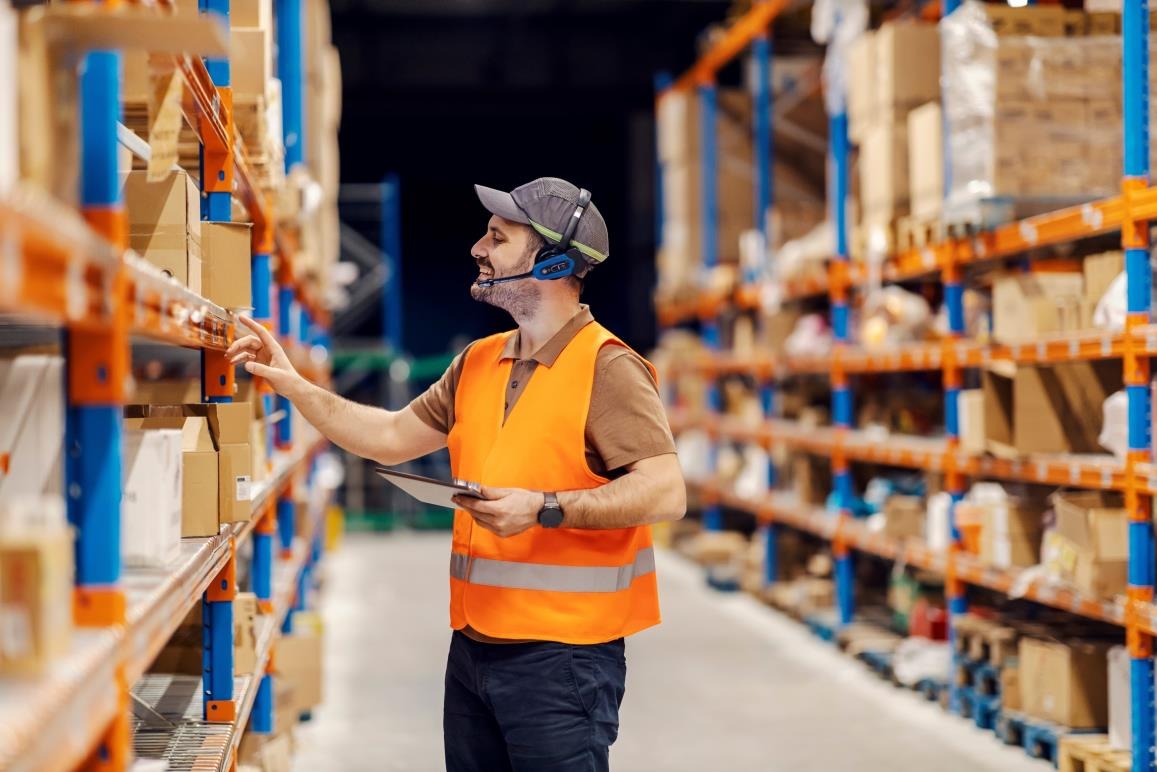
Warehouse worker picking items in a distribution centre
Manufacturing

NordicWare: compliance met at the distribution centre.

NordicWare, a consumer goods manufacturer in Minneapolis, had to meet a retailer tagging deadline for the goods it shipped into a large grocery and general merchandise network.

The company implemented an RFID compliance solution built on GlobeRanger's platform at its distribution centre, integrated with the ERP it already ran, and was the first customer of that ERP to do so.

The same RFID tag used to meet a supplier compliance requirement can also provide visibility further along the retail supply chain. This creates opportunities to track returnable assets and temperature-sensitive goods across distribution centres and stores.

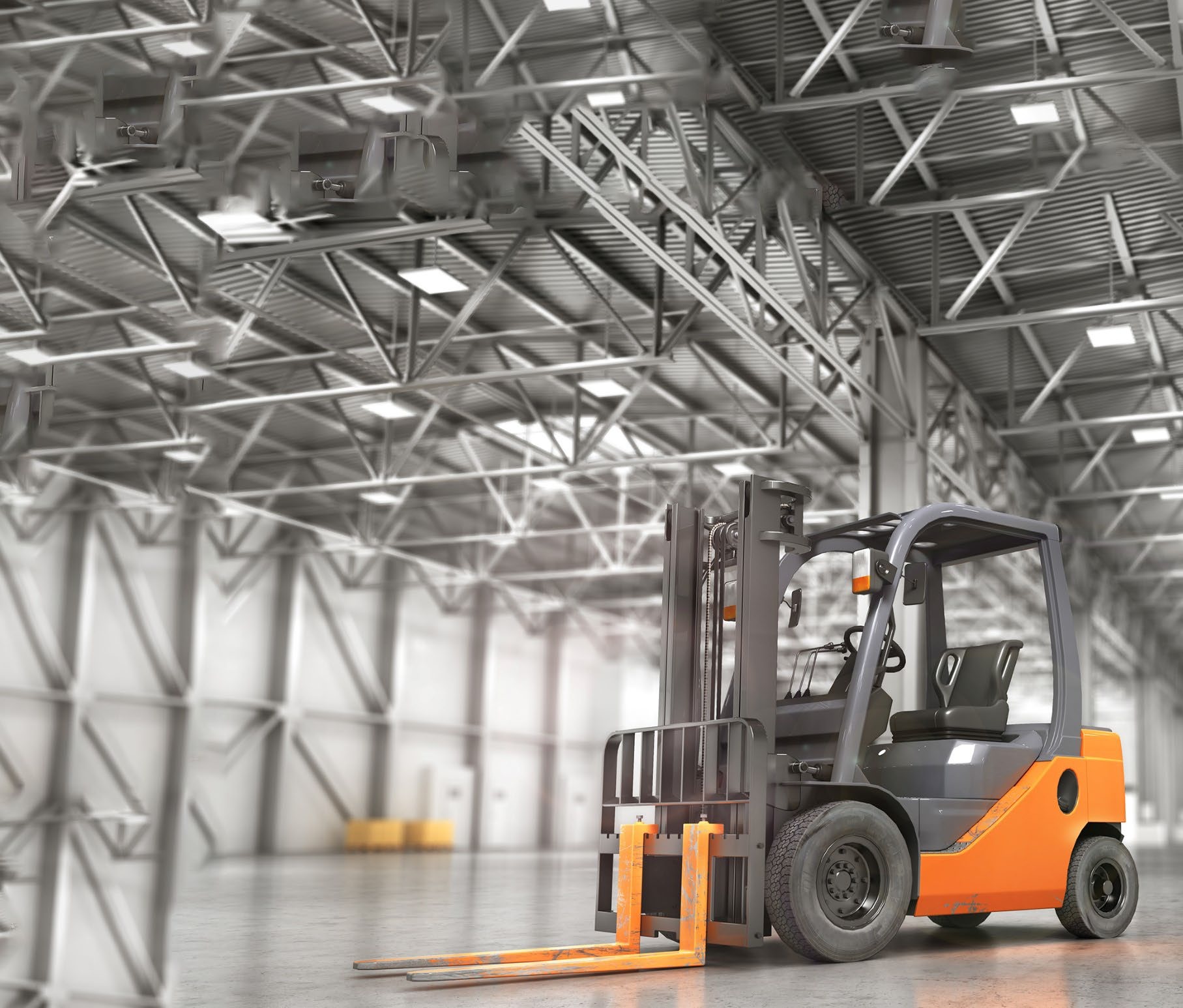
Forklift in an empty distribution centre hall

The same capability, a different floor.

Two cases from other industries that solve the problem a grocery network knows well.

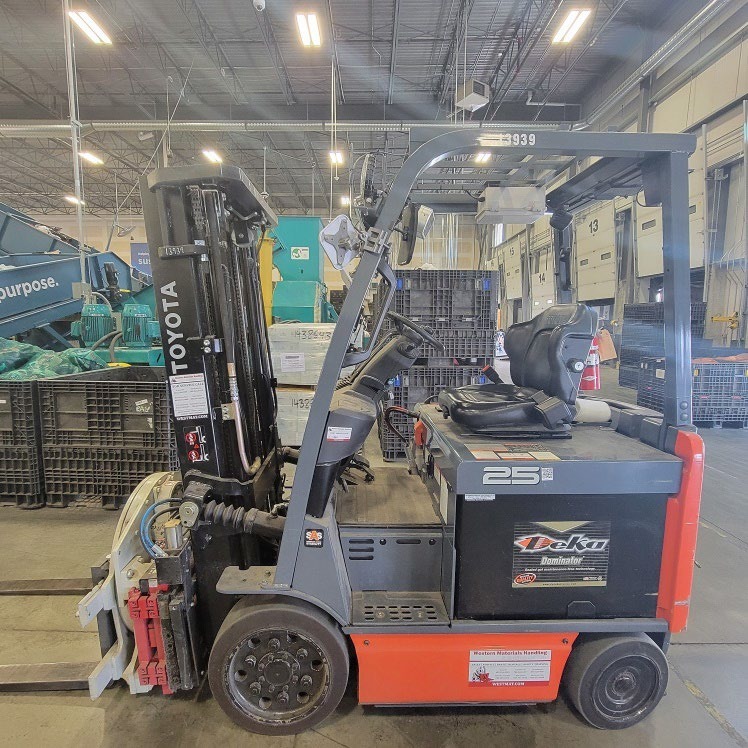
Electric forklift on a working distribution centre floor
Manufacturing

Daisy Brand: readers that move with the fleet.

Daisy Brand put RFID readers on the forklifts across two distribution centres, so the vehicles that move the stock also record it. In a grocery centre the same idea counts roll cages and crates as they move, without a gantry at every door.
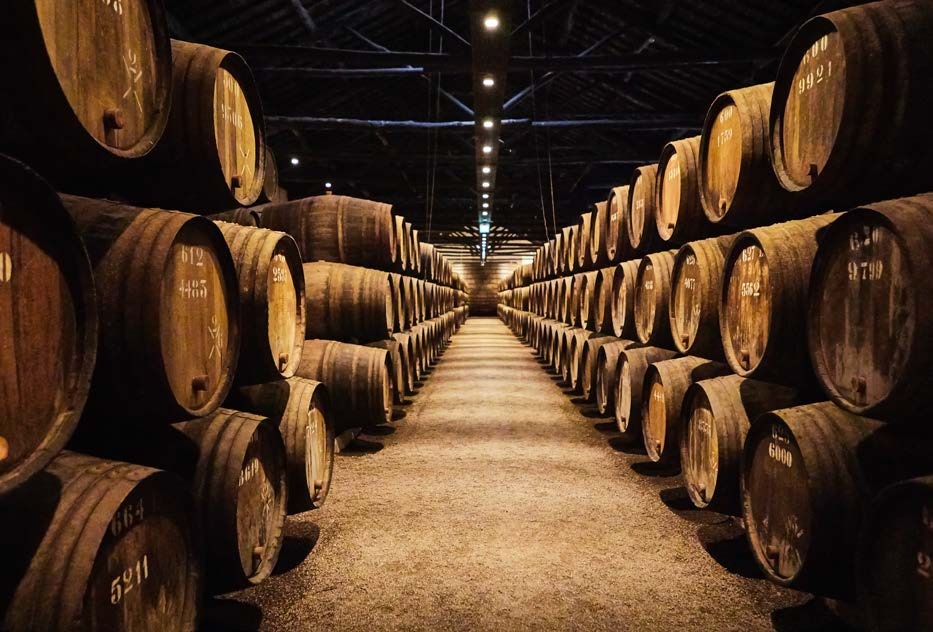

Tall racks of maturing barrels in a spirits warehouse
Spirits and Premium Beverage

Beam Suntory: Jim Beam fills around one million barrels a year.

Every barrel at Jim Beam in Kentucky is tagged and validated automatically through production and maturation, giving one view across warehouses and distilleries. The relevance here is scale: hundreds of thousands of units, counted by movement rather than by hand.

How a retail programme starts.

The four stages are the same everywhere. What differs in grocery is that the store estate is the hard part, not the centre.

Demo call

13 or 26 minutes

A video call with the GlobeRanger team. One question: does GlobeRanger fit your operation?

Bootcamp

1 to 3 daysCredited

One to three days on site. We work out what leaks, whether it starts with the returnable pool, the chilled chain, or direct store delivery, and what a pilot would cover.

Pilot

6 to 12 weeks

A trial run on your own use case, at one distribution centre and a small group of stores. GlobeRanger proves that it works in your operation, not on a slide.

Performance Mode

ongoing

The rollout across centres, regions, and the store estate, scoped and priced on what boot camp and pilot made concrete.

The first step costs 13 minutes.

Logistics worker with a clipboard in a warehouse